
Bathroom Faucets: A Complete Guide to Types, Features, Benefits, and Buying Tips
Introduction
Bathroom faucets are an important part of every bathroom. They provide water for daily activities such as washing hands, brushing teeth, and cleaning. A good bathroom faucet improves convenience, saves water, and adds style to your bathroom. Faucets are available in different designs, materials, sizes, and finishes to match different bathroom styles.
In this guide, we will explain the different types of bathroom faucets, their features, benefits, and important factors to consider before buying one.
What Are Bathroom Faucets?
Bathroom faucets are plumbing fixtures that control the flow of water from the water supply to a bathroom sink or basin. They allow users to turn water on and off and adjust its temperature when hot and cold water connections are available.
Modern bathroom faucets come in many styles, including traditional, contemporary, and minimalist designs.
Types of Bathroom Faucets
There are several types of bathroom faucets available in the market. Each type offers different features and installation requirements.
1. Single-Hole Faucets
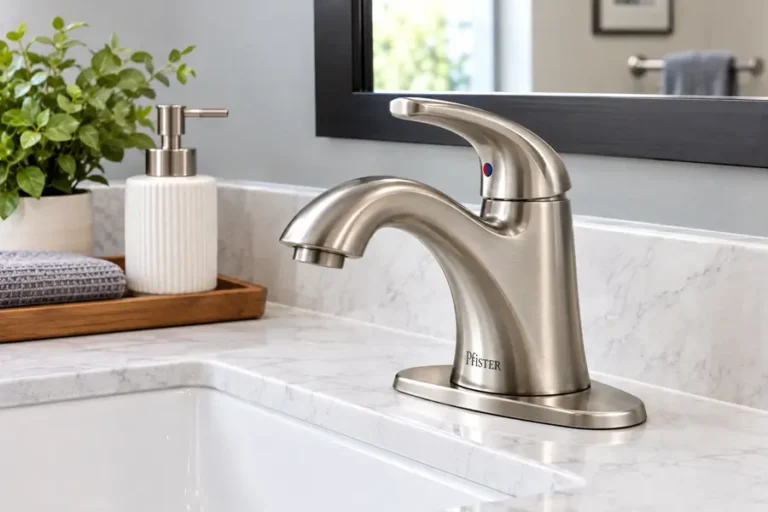
Single-hole faucets use one opening for installation. They usually have one handle to control water flow and temperature. These faucets are simple, compact, and suitable for modern bathrooms.
2. Center-Set Faucets
Center-set faucets combine the spout and handles into one unit. They are commonly designed for bathroom sinks with three holes placed close together.
3. Widespread Faucets
Widespread faucets have separate hot and cold handles and a separate water spout. They provide a stylish appearance and are often used in larger bathroom sinks.
4. Wall-Mounted Faucets
Wall-mounted faucets are installed directly on the bathroom wall instead of the sink or countertop. They create a clean and modern look and can make cleaning the sink area easier. Proper plumbing installation is important.
5. Touchless Faucets
Touchless faucets use sensors to detect hand movement and automatically turn water on or off. They can improve convenience and reduce unnecessary water flow.
6. Vessel Sink Faucets
Vessel sink faucets are designed for raised bowl-shaped bathroom sinks. They usually have a taller spout to provide enough space for water to flow into the basin.
Popular Bathroom Faucet Materials and Finishes
Bathroom faucets are made from different materials and available in various finishes.
- Brass: A commonly used material because of its durability and resistance to corrosion.
- Stainless Steel: Offers a clean appearance and good resistance to rust.
- Chrome Finish: Provides a shiny, polished look and is easy to match with many bathroom styles.
- Matte Black: Creates a modern and elegant appearance.
- Brushed Nickel: Offers a soft metallic finish that can help hide fingerprints and water spots.
- Bronze Finish: Provides a traditional and warm appearance.
The quality of the base material, protective coating, and internal components all affect a faucet’s durability.
Benefits of Choosing the Right Bathroom Faucet
Choosing a suitable bathroom faucet offers several benefits:
- Improved Appearance: A stylish faucet can make your bathroom look more attractive.
- Better Water Control: Quality faucets help control water flow and temperature.
- Water Efficiency: Water-saving models can reduce unnecessary water consumption.
- Daily Convenience: Easy-to-use handles and sensor features improve everyday use.
- Long-Term Value: A durable faucet may reduce maintenance and replacement needs.
- Easy Cleaning: Some faucet designs have surfaces that are easier to maintain.
Important Features to Consider
Before purchasing a bathroom faucet, consider the following features:
Water Flow Rate
Check the faucet’s flow rate to understand how much water it uses. Water-efficient models can help reduce water consumption without sacrificing normal functionality.
Handle Design
Faucets may have single handles or separate hot and cold handles. Choose a design that is comfortable and easy to operate.
Installation Type
Check whether your sink has one, two, or three faucet holes. Make sure the faucet is compatible with your sink or countertop.
Finish and Design
Select a finish that matches your bathroom accessories, sink, shower, and overall decoration.
Durability
Look for quality materials, reliable cartridges, and a suitable protective finish. Product specifications and warranty information can help you compare options.
How to Choose the Best Bathroom Faucet
Choosing the right bathroom faucet depends on your needs, bathroom design, and budget. Follow these simple tips:
- Measure your sink and check the number of installation holes.
- Select a faucet that matches your bathroom style.
- Compare different materials and finishes.
- Check water efficiency and flow-rate information.
- Consider installation and maintenance requirements.
- Review product specifications and warranty details.
- Compare prices and choose a product that offers good value.
Bathroom Faucet Maintenance Tips
Regular maintenance can help keep your bathroom faucet working properly.
- Clean the faucet regularly with a soft cloth.
- Avoid harsh cleaning chemicals that may damage the finish.
- Remove mineral deposits using a cleaner recommended by the manufacturer.
- Check for leaks around the handles and base.
- Clean the aerator when water flow becomes weak.
- Replace worn washers or cartridges when necessary.
Always follow the manufacturer’s cleaning and maintenance instructions.
Common Bathroom Faucet Buying Mistakes
Avoid these common mistakes when purchasing a bathroom faucet:
- Buying a faucet without checking sink compatibility.
- Choosing a design only because it looks attractive.
- Ignoring material quality and durability.
- Forgetting to check water flow rate.
- Selecting the wrong faucet height for a vessel sink.
- Ignoring installation requirements.
- Not checking the product warranty.
Frequently Asked Questions (FAQs)
1. What is the best type of bathroom faucet?
The best type depends on your sink design, installation requirements, budget, and personal preference. Single-hole and widespread faucets are popular options.
2. Which material is best for bathroom faucets?
Brass and stainless steel are commonly used materials. Check the product specifications to understand the quality and durability of a particular faucet.
3. Are touchless bathroom faucets worth buying?
Touchless faucets offer convenient hands-free operation. However, their suitability depends on your budget, maintenance preferences, and available power or battery options.
4. How do I choose the correct faucet size?
Measure your sink and check its faucet-hole arrangement. Also consider the height and reach of the spout to ensure water flows properly into the basin.
5. How can I maintain a bathroom faucet?
Clean it regularly with a soft cloth, avoid abrasive products, check for leaks, and clean the aerator when needed.
6. Do bathroom faucets help save water?
Water-efficient faucets can reduce water consumption by controlling the flow rate. Check the manufacturer’s specifications and applicable water-efficiency standards.
Conclusion
Bathroom faucets play an important role in the functionality and appearance of a bathroom. From single-hole and widespread faucets to wall-mounted and touchless designs, there are many options available. By considering material quality, water efficiency, installation type, design, and maintenance requirements, you can choose a bathroom faucet that meets your needs and complements your bathroom.