
Toilets and Leak Detection: A Complete Guide to Common Problems, Causes, and Solutions
Introduction
Toilets are essential fixtures in every home and building. They provide convenience, hygiene, and proper waste disposal. However, toilet problems such as water leaks, running toilets, blocked drains, and damaged components can cause inconvenience and increase water bills.
Leak detection is important because even a small toilet leak can waste a significant amount of water over time. In this guide, we will explain common toilet problems, different types of leaks, their causes, detection methods, and basic maintenance tips.
What Are Toilets and Leak Detection?
A Toilets and Leak Detection is a plumbing fixture designed to collect and dispose of human waste through a drainage system. Modern toilets use a flushing mechanism to move waste into the sewer or septic system.
Toilet leak detection is the process of identifying unwanted water leakage from the toilet tank, bowl, supply line, seals, or surrounding plumbing connections. Detecting leaks early can help prevent water waste, property damage, and unnecessary repair costs.
Common Types of Toilets
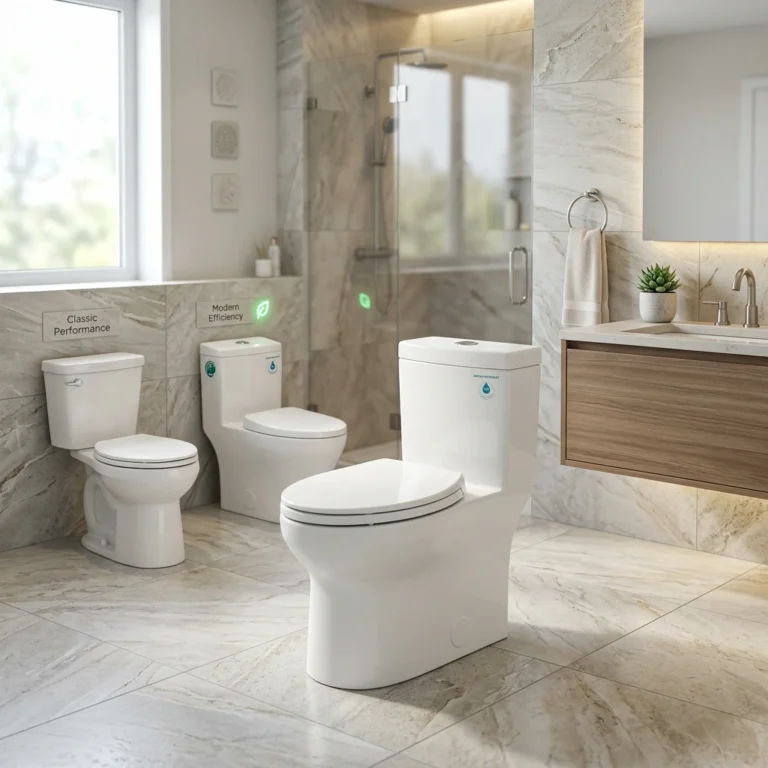
Different types of Toilets and Leak Detection are available for homes, offices, and commercial buildings.
1. One-Piece Toilets
One-piece toilets combine the tank and bowl into a single unit. They have a modern appearance and fewer external joints, making their surfaces easier to clean.
2. Two-Piece Toilets
Two-piece toilets have a separate tank and bowl connected during installation. They are widely used and are available in many designs and price ranges.
3. Wall-Mounted Toilets
Wall-mounted toilets are attached to a supporting wall structure, with the tank usually concealed behind the wall. They save floor space and offer a modern appearance.
4. Smart Toilets
Smart toilets include advanced features such as automatic flushing, heated seats, and integrated cleaning functions. Features vary depending on the model.
5. Dual-Flush Toilets
Dual-flush toilets provide two flushing options, usually a lower-volume flush for liquid waste and a higher-volume flush for solid waste. They can help reduce water consumption.
Common Signs of Toilet Leaks
A Toilets and Leak Detection is not always easy to notice. Some leaks occur inside the toilet tank without creating visible water around the toilet.
Look for these common warning signs:
- Water continues running after flushing.
- You hear unexpected water sounds from the toilet tank.
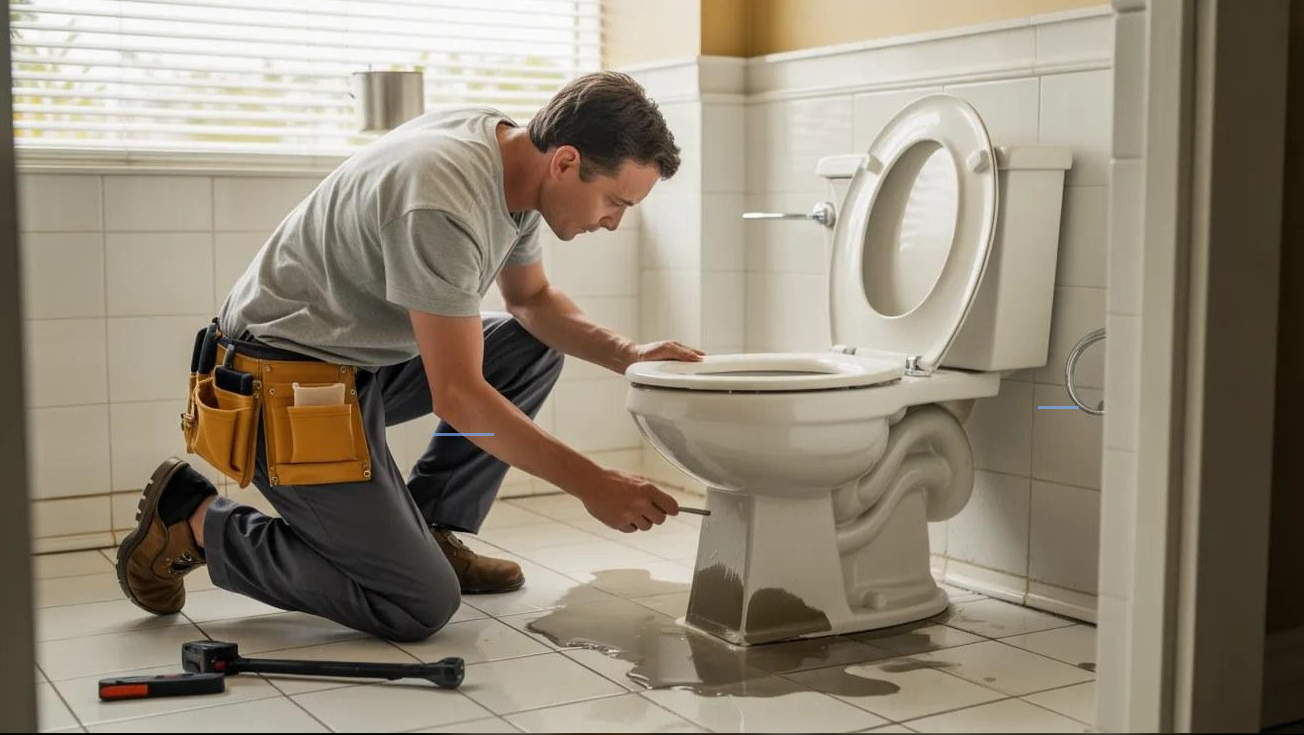
- Water appears around the toilet base.
- Your water bill suddenly increases.
- The toilet refills without being used.
- The toilet flushes weakly or repeatedly.
- You notice moisture or water damage near the toilet.
Common Causes of Toilet Leaks
Understanding the causes of Toilets and Leak Detection can help you identify problems more quickly.
1. Damaged Flapper
The flapper is a rubber component inside the Toilets and Leak Detection tank that controls water flow into the bowl. If it becomes worn, damaged, or incorrectly positioned, water may continuously leak into the bowl.
2. Faulty Fill Valve
The fill valve controls the water entering the toilet tank after flushing. A damaged or incorrectly adjusted valve may cause continuous filling or water overflow.
3. Loose Water Supply Connection
A loose or damaged connection between the water supply line and toilet can cause water to leak onto the floor.
4. Worn Wax Ring or Seal
The seal between the toilet base and the drain connection prevents wastewater from escaping. A damaged seal may cause water to leak around the toilet base.
5. Cracked Toilet Tank or Bowl
Cracks in the toilet tank or bowl can allow water to escape. Damaged porcelain components may require professional repair or replacement.
6. Incorrect Installation
Improper installation, loose fittings, or incorrect sealing can create leaks around the toilet and its plumbing connections.
How to Detect Toilet Leaks
There are several simple ways to check for Toilets and Leak Detection.
1. Food Coloring Test
This is a simple method for checking an internal tank leak.
Steps:
- Remove the toilet tank lid.
- Add a few drops of food coloring to the tank water.
- Do not flush the toilet.
- Wait approximately 10–15 minutes.
- Check whether colored water appears in the toilet bowl.
If the water in the bowl changes color, the toilet may have an internal leak, often caused by a faulty flapper or seal.
2. Visual Inspection
Check the toilet tank, water supply line, shut-off valve, and toilet base for visible moisture, dripping water, or corrosion.
3. Listen for Unusual Sounds
Listen for continuous water movement when the toilet has not been used. This may indicate a problem with the flapper, fill valve, or overflow system.
4. Check the Water Meter
Turn off water-using appliances and fixtures. Check your water meter, wait for a period without using water, and check it again. Unexpected movement may indicate a leak somewhere in the plumbing system. Make sure no other water is being used during the test.
5. Professional Leak Detection
A qualified plumber can inspect difficult-to-find leaks using suitable plumbing tools and testing methods. Professional inspection is especially useful when there is hidden water damage or a suspected leak beneath the floor.
How to Fix Common Toilet Leak Problems
Some minor toilet problems can be addressed with basic maintenance, while more serious issues require professional help.
- Faulty Flapper: Replace the worn flapper with a compatible replacement.
- Fill Valve Problems: Inspect and adjust or replace the fill valve according to the manufacturer’s instructions.
- Loose Supply Connection: Carefully check the connection and replace damaged components if necessary.
- Damaged Seal: A leaking base seal usually requires removing and reinstalling the toilet with a suitable replacement seal.
- Cracked Tank or Bowl: Replace the damaged toilet component or the complete toilet.
- Overflow Problems: Check the fill valve and water level to ensure the tank does not overfill.
If water is leaking onto the floor, shut off the toilet’s water supply if it is safe to do so. Contact a qualified plumber if you cannot identify or safely repair the problem.
Benefits of Early Toilet Leak Detection
Detecting toilet leaks early offers several important benefits:
- Water Conservation: Helps prevent unnecessary water waste.
- Lower Water Bills: Reduces water loss caused by continuous leaks.
- Property Protection: Helps prevent damage to floors, walls, and nearby materials.
- Better Hygiene: Helps reduce moisture-related problems around the toilet.
- Lower Repair Costs: Identifying problems early may prevent more extensive repairs.
- Improved Toilet Performance: Helps keep flushing and water filling systems working properly.
Toilet Maintenance Tips
Regular maintenance can help prevent common toilet problems.
- Inspect the toilet tank and supply connections regularly.
- Check for unusual sounds after flushing.
- Clean the toilet using suitable cleaning products.
- Avoid flushing wipes, sanitary products, and other unsuitable materials.
- Check the toilet base for moisture.
- Inspect the flapper and fill valve when the toilet runs continuously.
- Arrange professional plumbing inspections when necessary.
Common Toilet Leak Detection Mistakes
Avoid these common mistakes when checking toilet leaks:
- Ignoring a continuously running toilet.
- Assuming all leaks are visible.
- Replacing parts without identifying the actual problem.
- Using unsuitable cleaning chemicals.
- Ignoring water around the toilet base.
- Delaying repairs after noticing moisture.
- Attempting complicated plumbing repairs without proper experience.
Frequently Asked Questions (FAQs)
1. How do I know if my toilet is leaking?
Common signs include continuous running water, unexpected tank refilling, moisture around the toilet base, and increased water bills.
2. What is the easiest way to detect a toilet leak?
The food coloring test is a simple way to check for internal leaks between the toilet tank and bowl.
3. Why does my toilet keep running after flushing?
A worn flapper, faulty fill valve, incorrect water level, or damaged flushing mechanism may cause a toilet to run continuously.
4. Can a toilet leak increase my water bill?
Yes. Continuous leakage can waste water and may increase your water bill over time.
5. Why is water leaking around the toilet base?
A damaged wax ring or seal, loose toilet connection, or plumbing issue may cause water to appear around the toilet base. A qualified plumber should inspect the problem.
6. When should I call a professional plumber?
Contact a plumber if you notice persistent leaks, cracked toilet components, hidden water damage, sewage smells, or problems that cannot be safely repaired with basic maintenance.
Conclusion
Toilets are important parts of residential and commercial plumbing systems. However, problems such as running toilets, damaged seals, faulty valves, and hidden leaks can waste water and cause property damage. Regular inspection and early leak detection can help identify these issues before they become more serious. By understanding common toilet problems and following proper maintenance practices, you can improve toilet performance and protect your plumbing system.
One Comment