Toilets & Leak Detection: Common Toilet Problems, Signs of Leaks, and How to Fix Them
Introduction
Toilets & Leak Detection the most frequently used fixtures in any home, making their proper maintenance essential for comfort, hygiene, and water efficiency. However, toilet problems such as leaking water, running tanks, faulty flush valves, and damaged seals can develop over time. If left untreated, these issues may increase water bills, damage bathroom flooring, and lead to expensive plumbing repairs.
Understanding Toilets & Leak Detection can help homeowners identify common problems early and take the necessary steps to prevent water waste. Whether you are dealing with a constantly running toilet, water around the toilet base, or an unexplained increase in your water bill, knowing how to recognize the warning signs can make a significant difference.
In this guide, we will explore common toilet leaks, their causes, effective detection methods, repair solutions, and maintenance tips to keep your bathroom plumbing working efficiently.
What Is Toilet Leak Detection?
Toilets & Leak Detection is the process of identifying unwanted water escaping from different parts of a toilet system. Leaks can occur inside the toilet tank, around the bowl, beneath the toilet base, or through the water supply connections.
Some leaks are easy to notice because water collects on the bathroom floor. Others are hidden and may continue for weeks without producing visible signs.
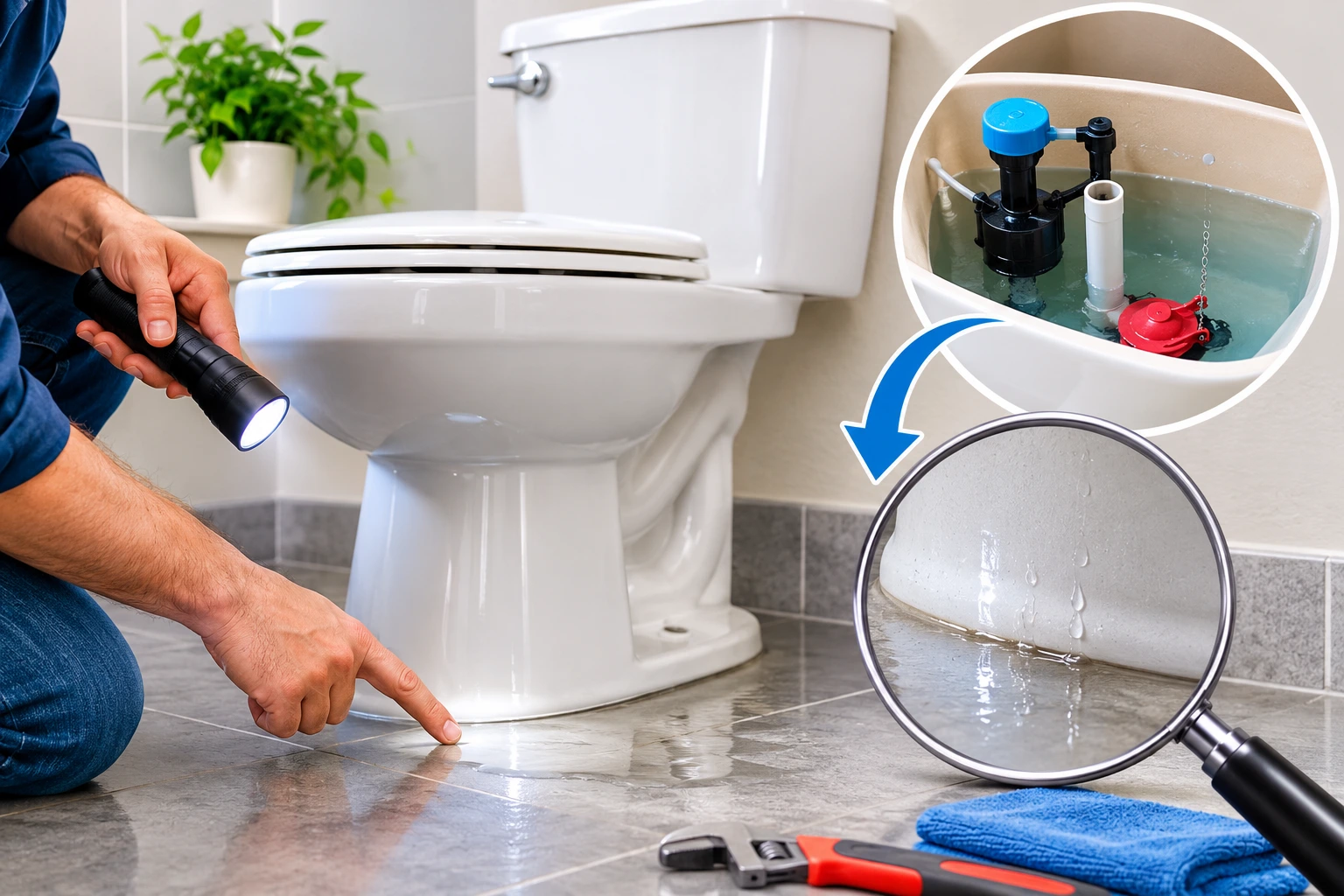
A toilet generally consists of several components, including:
- Toilet Tank: Stores water needed for flushing.
- Fill Valve: Controls the water entering the tank.
- Flush Valve: Releases water from the tank into the bowl.
- Flapper: Creates a seal that prevents water from continuously entering the bowl.
- Overflow Tube: Prevents the tank from overflowing.
- Wax Ring or Sealing Gasket: Creates a watertight connection between the toilet and the drain.
- Supply Line: Delivers water to the toilet tank.
Problems with any of these components can result in water leaks, inefficient flushing, or unnecessary water consumption.
Common Signs of a Leaking Toilet
Identifying toilet leaks early can help prevent plumbing damage and reduce water waste. Here are some common warning signs to watch for.
1. Constantly Running Toilet
A running toilet is one of the most common plumbing problems. If you hear water continuously flowing into the tank even when the toilet has not been flushed, there may be an issue with the flapper, fill valve, or water level adjustment.
A damaged flapper may allow water to escape from the tank into the bowl. As a result, the fill valve repeatedly activates to replace the lost water.
Replacing the faulty component can often resolve the problem.
2. Water Around the Toilet Base
Water collecting around the bottom of a toilet may indicate a damaged wax ring, loose mounting bolts, or a problem with the toilet’s connection to the drainpipe.
This type of leak should not be ignored because water can seep beneath bathroom flooring and damage surrounding materials.
If the toilet moves when you sit on it, the mounting bolts or floor connection may also require inspection.
3. Unexplained Increase in Water Bills
A sudden increase in your monthly water bill may indicate a hidden toilet leak.
Even a small leak inside the tank can waste a considerable amount of water over time. Since the water may flow directly into the toilet bowl, you might not notice the problem immediately.
Performing a simple dye test can help determine whether your toilet is leaking internally.
4. Weak or Incomplete Flushing
A Toilets & Leak Detection that does not flush properly may have a problem with its water level, flush valve, or internal components.
Although weak flushing does not always indicate a leak, it can be a sign that the toilet system is not functioning efficiently.
5. Hissing or Unusual Water Sounds
A Toilets & Leak Detection that makes continuous hissing, dripping, or refilling sounds may have a faulty fill valve or a leaking flapper.
Listen carefully after flushing. If the toilet continues making water-related noises long after the tank should have refilled, inspect its internal components.
How to Detect a Toilet Leak
There are several simple methods homeowners can use to identify toilet leaks without immediately hiring a plumber.
1. The Toilet Dye Test
The dye test is one of the easiest ways to identify an internal toilet leak.
Follow these steps:
- Remove the toilet tank lid.
- Add a few drops of food coloring or toilet leak-detection dye to the tank water.
- Avoid flushing the toilet.
- Wait approximately 10–15 minutes.
- Check the toilet bowl for colored water.
If colored water appears in the bowl without flushing, water is leaking from the tank through the flush valve or flapper seal.
This test is inexpensive and can help identify leaks that are otherwise difficult to notice.
2. Inspect the Toilet Tank
Remove the tank lid and examine its internal components.
Look for:
- Damaged or deteriorated flappers.
- Incorrect water levels.
- Faulty fill valves.
- Water overflowing into the overflow tube.
- Loose or damaged connections.
If the water level is too high, the fill valve may need adjustment or replacement.
3. Check Around the Toilet Base
Inspect the floor surrounding the toilet for moisture, discoloration, or unusual odors.
Flush the Toilets & Leak Detection and observe whether water appears around the base.
If leakage occurs during or immediately after flushing, the toilet’s base seal or drain connection may be damaged.
Avoid simply applying caulk over an active leak. The underlying problem should be identified and repaired first.
4. Monitor Your Water Meter
Your water meter can help identify hidden plumbing leaks.
To perform a basic check:
- Make sure all faucets and water-using appliances are turned off.
- Avoid using the toilet during the test.
- Check the water meter reading.
- Wait 30–60 minutes.
- Check the meter again.
If the meter continues recording water consumption, there may be a leak somewhere in the plumbing system.
Keep in mind that this test identifies possible household leaks rather than confirming that the toilet is responsible. Additional inspection may be necessary.
Common Causes of Toilet Leaks
Understanding the causes of toilet leaks can make troubleshooting easier.
Worn-Out Toilet Flapper
The flapper is responsible for sealing the flush valve opening inside the tank.
Over time, rubber flappers can become brittle, warped, or covered with mineral deposits. When they no longer create a proper seal, water slowly escapes into the bowl.
Replacing the flapper is often a simple and affordable repair.
Faulty Fill Valve
The fill valve controls how much water enters the Toilets & Leak Detection tank after flushing.
A damaged or incorrectly adjusted fill valve may cause continuous refilling, unusual noises, or water flowing into the overflow tube.
Depending on the condition of the component, adjustment or replacement may be necessary.
Damaged Wax Ring
The wax ring seals the connection between the toilet outlet and the drainpipe.
If the wax ring becomes damaged, compressed, or improperly installed, wastewater may escape around the toilet base.
Replacing this seal usually requires removing the toilet, so professional plumbing assistance may be helpful.
Loose Water Supply Connections
The water supply line connects the toilet tank to the household plumbing system.
Loose fittings, worn washers, and damaged hoses can cause water to drip behind or beneath the toilet.
Inspect the connections regularly and replace damaged parts when necessary.
Cracked Toilet Tank or Bowl
Although less common, cracks in porcelain can allow water to escape continuously.
Small hairline cracks may be difficult to identify, especially when they occur inside the tank.
A cracked toilet tank or bowl generally requires replacement rather than a temporary repair.
How to Fix Common Toilet Leaks
The appropriate repair depends on the location and severity of the leak.
Replace a Faulty Flapper
If the dye test confirms that water is leaking from the tank into the bowl, inspect the flapper.
Turn off the water supply, flush the toilet to empty most of the tank, and remove the old flapper. Install a compatible replacement and reconnect the chain.
Turn the water supply back on and perform another dye test to confirm that the leak has stopped.
Adjust or Replace the Fill Valve
If water continuously enters the overflow tube, check the tank’s water level and fill valve settings.
Some fill valves can be adjusted to reduce the water level. If the valve is damaged or malfunctioning, installing a compatible replacement may solve the problem.
Repair Supply Line Leaks
If water is dripping from the supply connection, turn off the Toilets & Leak Detection water supply before inspecting the fitting.
Check the connection and washer for damage. Replace worn components and tighten connections carefully according to the manufacturer’s instructions.
Avoid overtightening plastic fittings.
Replace the Toilet Base Seal
A damaged wax ring or sealing gasket requires removal of the toilet.
The old seal must be removed, the flange inspected, and a suitable replacement installed before the toilet is repositioned.
Because incorrect installation can result in recurring leaks, this repair is often best handled by an experienced plumber.
Preventive Maintenance Tips for Toilets
Regular maintenance can reduce the likelihood of toilet leaks and extend the life of your bathroom fixtures.
Consider following these maintenance practices:
- Inspect toilet tanks and supply connections regularly.
- Check for running water or unusual noises.
- Perform a dye test every few months.
- Replace worn flappers and damaged washers.
- Avoid using harsh chemical cleaners that may damage internal rubber components.
- Keep the toilet securely mounted to the floor.
- Check for moisture around the toilet base.
- Avoid flushing wipes, sanitary products, and other unsuitable materials.
- Arrange professional plumbing inspections when recurring problems occur.
These simple steps can help maintain efficient toilet operation and reduce unnecessary water consumption.
When Should You Call a Professional Plumber?
Some toilet problems can be resolved with basic repairs, but others require professional attention.
Consider contacting a qualified plumber if:
- Water continues leaking around the toilet base.
- The toilet has visible cracks.
- You notice wastewater or unpleasant odors around the fixture.
- The toilet repeatedly becomes loose.
- Water damage appears on the bathroom floor or ceiling below.
- Your water meter indicates an unexplained leak.
- Repeated repairs fail to stop the problem.
Toilets & Leak Detection can help identify hidden plumbing issues and prevent further property damage.
Why Timely Toilet Leak Detection Matters
Ignoring a leaking toilet can lead to several problems beyond higher water bills.
Continuous leaks waste clean water, increase household expenses, and may contribute to moisture damage around bathroom flooring.
Leaks near the toilet base can also create unsanitary conditions if wastewater escapes from the drainage connection.
Early detection allows homeowners to address minor problems before they develop into expensive repairs.
Investing in routine inspections and quality replacement components can improve plumbing efficiency and provide greater peace of mind.
Frequently Asked Questions (FAQs)
1. How do I know if my toilet is leaking?
Common signs include a constantly running toilet, unexplained increases in water bills, water around the toilet base, and unusual refilling sounds. A simple dye test can identify internal tank leaks.
2. What is the easiest way to detect a toilet leak?
The food coloring test is one of the easiest methods. Add a few drops of food coloring to the Toilets & Leak Detection and wait 10–15 minutes without flushing. If the color appears in the bowl, the toilet may have a leaking flapper or flush valve seal.
3. Can a toilet leak increase my water bill?
Yes. A continuously running toilet or leaking flapper can waste significant amounts of water, potentially increasing your monthly utility costs.
4. Why is water leaking from the bottom of my toilet?
Water around the toilet base may indicate a damaged wax ring, loose mounting bolts, a cracked toilet, or a faulty connection. The toilet should be inspected to identify the source.
5. How often should I check my toilet for leaks?
It is a good idea to inspect visible toilet components regularly and perform a dye test every few months or whenever you notice unusual water consumption.
6. Can I fix a leaking toilet myself?
Many minor issues, such as replacing a flapper or adjusting a fill valve, can be handled by homeowners with basic plumbing knowledge. However, leaks involving the toilet base, drain connection, or cracked porcelain may require professional assistance.
7. Does a running toilet always mean there is a leak?
A running toilet usually indicates that water is not being properly controlled inside the tank. Common causes include a faulty flapper, fill valve, or incorrect water level.
8. When should a toilet be replaced instead of repaired?
Replacement may be the better option when the porcelain is cracked, the fixture has extensive damage, or recurring problems make repairs impractical.
Conclusion
Toilets & Leak Detection practices are essential for maintaining an efficient, comfortable, and hygienic bathroom. From identifying faulty flappers to detecting hidden leaks around toilet connections, understanding common plumbing problems can help homeowners prevent water waste and costly repairs.
Regular inspections, simple leak-detection tests, and timely replacement of damaged components can significantly improve toilet performance. While many minor issues can be resolved through basic maintenance, professional plumbing assistance is recommended for serious or recurring leaks.
By prioritizing toilet maintenance and early leak detection, you can protect your bathroom, conserve water, and enjoy a reliable plumbing system for years to come.