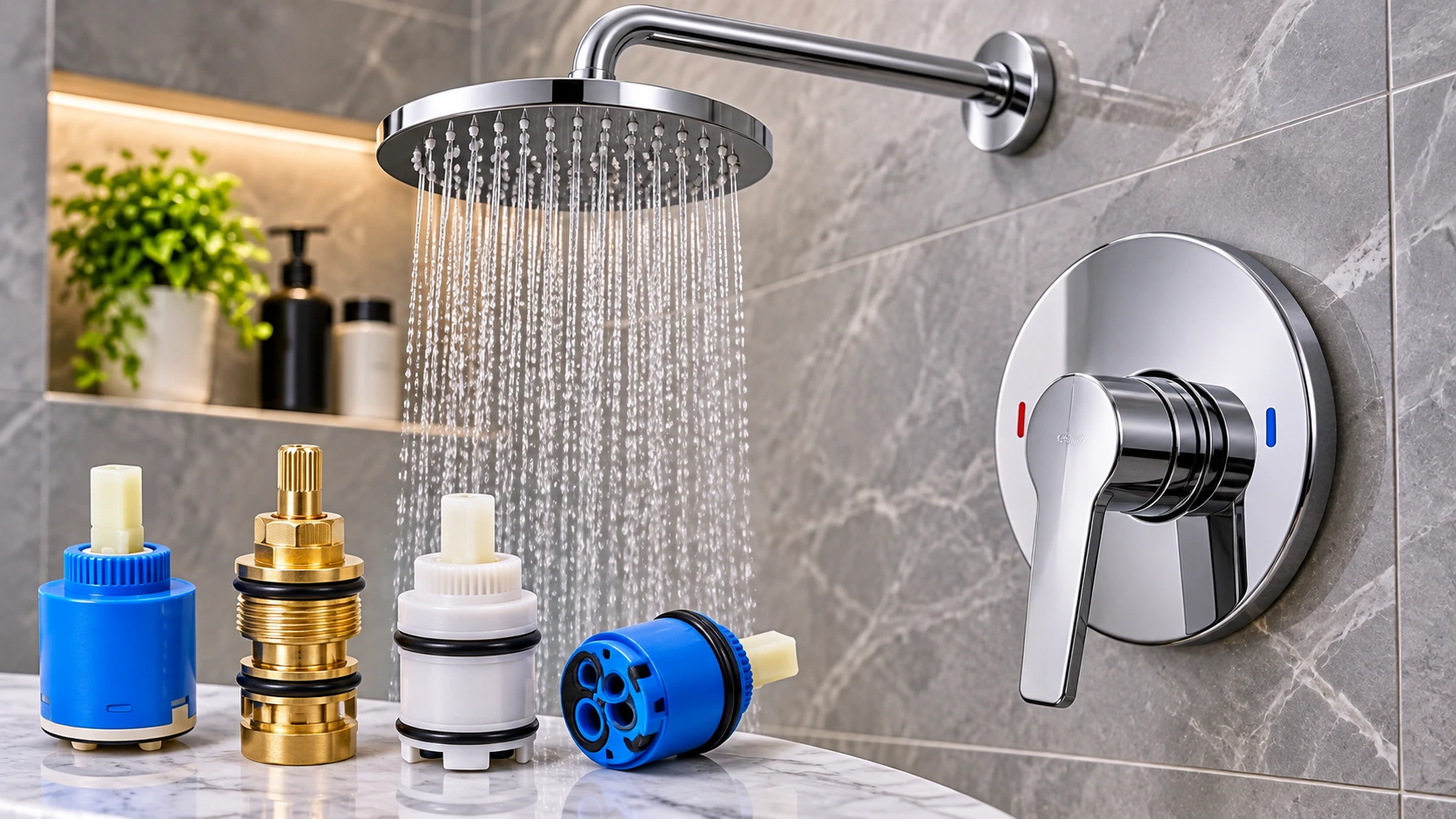
Shower Valves & Cartridges: Types, Functions, Benefits, and Complete Buying Guide
Shower Valves & Cartridges is an essential part of every modern bathroom. While showerheads and bathroom fixtures often receive the most attention, the components responsible for controlling water temperature, pressure, and flow are equally important. Shower valves and cartridges play a major role in ensuring that your shower operates smoothly, safely, and efficiently.
Whether you are building a new bathroom, renovating an existing space, or dealing with inconsistent water temperature, understanding shower valves and cartridges can help you make better decisions. These components are available in different designs and technologies, each offering specific advantages for different plumbing systems and household requirements.
From pressure-balancing valves to thermostatic mixing valves, modern shower systems provide several options for controlling water temperature and maintaining a comfortable showering experience.
In this comprehensive guide, we will explain what shower valves and cartridges are, how they work, their different types, common problems, maintenance requirements, and important factors to consider when choosing the right products for your bathroom.
What Are Shower Valves and Cartridges?
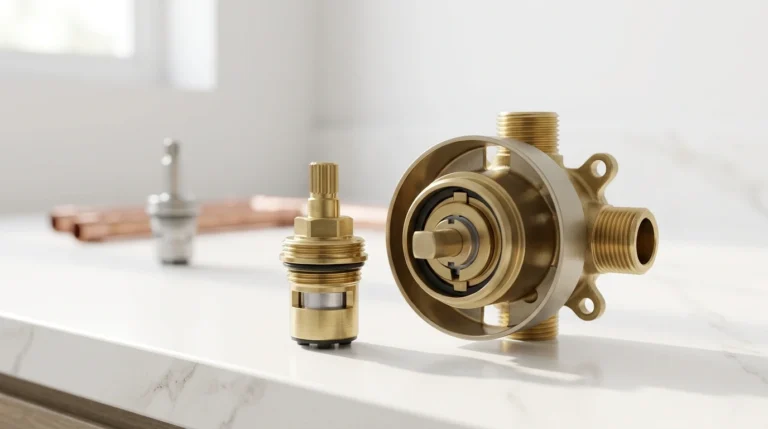
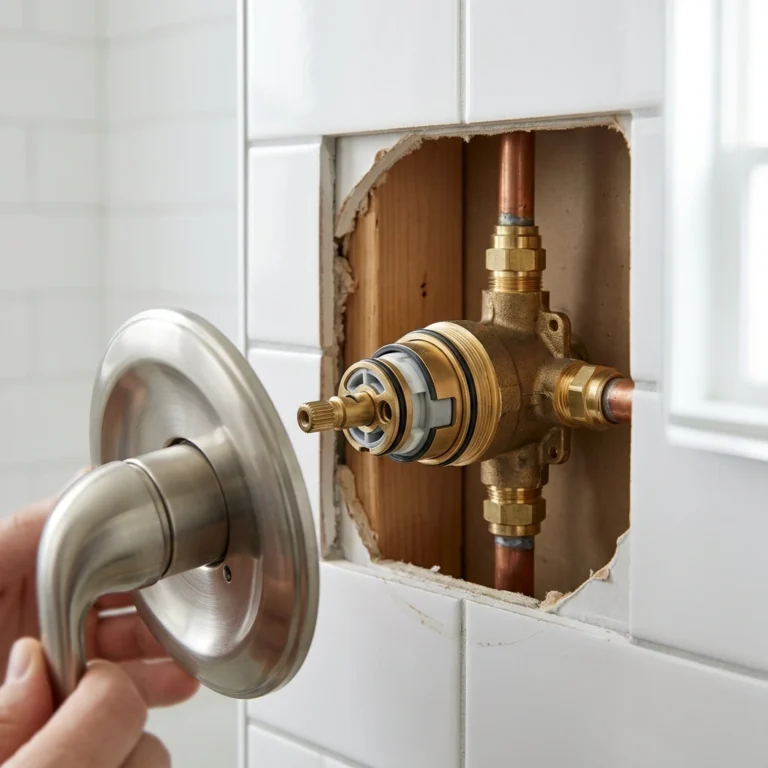
Shower valves are plumbing components installed behind or within the shower wall. Their primary function is to control the flow of hot and cold water entering the shower system.
They help regulate water temperature and pressure, allowing users to enjoy a comfortable and consistent shower.
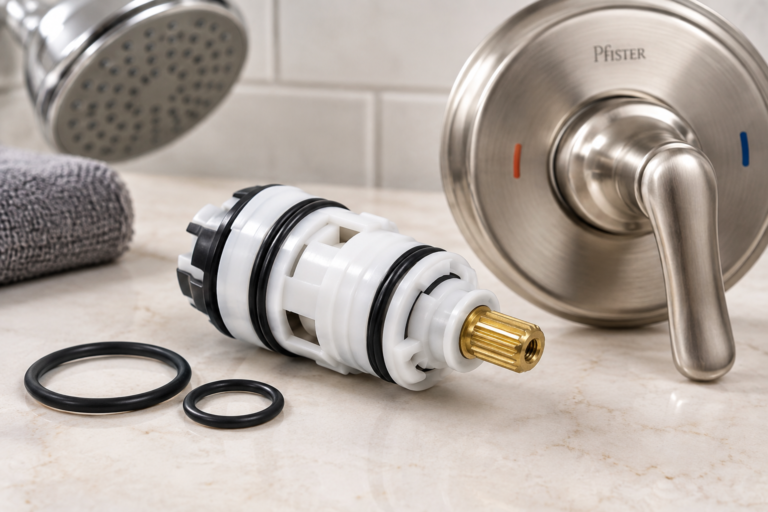
A shower cartridge is an internal component of a shower valve. It controls how water moves through the valve and helps regulate the mixing of hot and cold water.
Depending on the valve design, a cartridge may also provide temperature regulation, flow control, or pressure-balancing functionality.
Although these components work together, they serve different purposes:
- Shower Valve: Controls the water supply and regulates the flow of hot and cold water.
- Shower Cartridge: Manages water movement and temperature control within the valve.
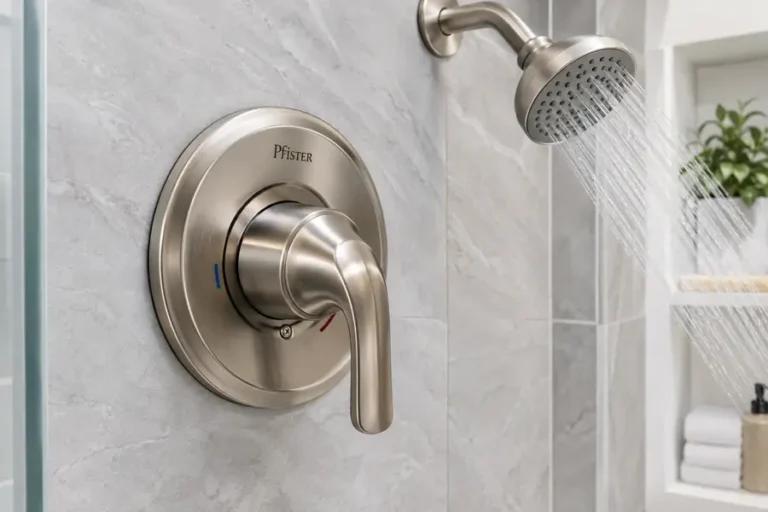
- Shower Handle: Allows users to adjust water flow and temperature through the valve mechanism.
Choosing compatible shower valves and cartridges is important because different manufacturers and product models may use different internal designs.
How Do Shower Valves and Cartridges Work?
Shower valves connect to the hot and cold water supply lines. When the shower handle is operated, the valve opens and allows water to enter its internal mixing chamber.
Inside the valve, the cartridge controls how much hot and cold water passes through the system.
The mixed water then travels through the plumbing connection to the showerhead.
The exact operating mechanism depends on the type of shower valve installed.
For example, a pressure-balancing valve responds to changes in water pressure, while a thermostatic valve uses a temperature-sensitive mechanism to help maintain the selected water temperature.
These systems are designed to improve shower comfort and reduce sudden temperature changes.
Different Types of Shower Valves
Understanding the different types of shower valves can help homeowners choose a suitable solution for their bathrooms.
Each valve type offers specific features, operating mechanisms, and benefits.
1. Pressure-Balancing Shower Valves
Pressure-balancing shower valves are commonly used in residential bathrooms. They are designed to maintain a more consistent shower temperature when water pressure changes in the hot or cold supply lines.
For example, if someone flushes a toilet or turns on a tap elsewhere in the house, the pressure in the plumbing system may change.
A pressure-balancing valve responds to these changes by adjusting the hot and cold water flow to help prevent sudden temperature fluctuations.
These valves are particularly useful in households where multiple plumbing fixtures may operate simultaneously.
Main Benefits:
- Helps reduce sudden temperature changes.
- Provides more consistent shower comfort.
- Suitable for residential bathrooms.
- Often available in single-handle designs.
- Helps protect users from unexpected temperature fluctuations.
2. Thermostatic Shower Valves
Thermostatic shower valves are designed to maintain a selected water temperature more accurately.
They use a temperature-sensitive element inside the valve that responds to changes in the incoming hot and cold water supply.
If the temperature changes, the mechanism adjusts the water mixture to help maintain the selected setting.
Many thermostatic systems allow users to control water temperature and water flow separately.
This makes them particularly convenient for households that prefer consistent shower temperatures.
Main Benefits:
- Accurate temperature control.
- Helps maintain consistent water temperature.
- Convenient operation.
- Suitable for modern shower systems.
- Some models include safety temperature limits.
3. Manual Shower Mixing Valves
Manual shower mixing valves allow users to control the mixture of hot and cold water manually.
They typically use a handle or separate controls to adjust the water temperature and flow.
These valves are available in different designs and can be suitable for simple shower installations.
However, unlike thermostatic valves, basic manual mixing valves do not automatically maintain a selected water temperature when the supply conditions change.
Main Benefits:
- Simple operating mechanism.
- Available in different styles.
- Suitable for basic shower installations.
- Generally straightforward to operate.
- Compatible with many traditional bathroom designs.
4. Diverter Shower Valves
Diverter valves are used in shower systems that have multiple water outlets.
For example, a bathroom may include an overhead showerhead, a handheld shower, and body sprays.
A diverter valve allows users to direct water toward the selected outlet.
Some models operate through a separate control, while others integrate the diverter into the main shower valve.
Main Benefits:
- Allows switching between shower outlets.
- Suitable for multi-function shower systems.
- Improves showering convenience.
- Available in different configurations.
- Helps organize water distribution.
5. Shower Transfer Valves
Transfer valves are designed to direct water between multiple shower outlets or functions.
They are commonly used in larger or more advanced shower systems where users want to operate an overhead shower, handheld shower, or additional body sprays.
Depending on the design, transfer valves may support one outlet at a time or multiple outlets simultaneously.
Before selecting a transfer valve, check its compatibility with the shower system and the required number of outlets.
Main Benefits:
- Supports multiple shower functions.
- Convenient outlet selection.
- Suitable for customized bathroom installations.
- Helps manage complex shower configurations.
What Are Shower Cartridges?
Shower cartridges are internal mechanisms installed inside compatible shower valves.
They regulate the movement and mixing of hot and cold water when the shower handle is operated.
Different cartridge designs use different technologies. Some rely on ceramic discs, while others use pressure-balancing mechanisms or thermostatic elements.
The correct cartridge depends on the valve manufacturer, model, and specific plumbing configuration.
A cartridge may need replacement when the shower develops problems such as leaking, inconsistent temperature, restricted water flow, or difficulty adjusting the handle.
Replacing the cartridge can sometimes restore normal operation without requiring the entire shower valve to be removed.
Common Types of Shower Cartridges
1. Ceramic Disc Cartridges
Ceramic disc cartridges use precisely manufactured ceramic components to control water flow.
Their smooth operating mechanism allows users to adjust water flow and temperature with relatively little effort.
Ceramic components are known for their resistance to wear under normal operating conditions.
These cartridges are commonly used in modern plumbing fixtures.
Main Benefits:
- Smooth handle operation.
- Durable internal components.
- Reliable water control.
- Suitable for many modern shower designs.
- Often require limited routine maintenance.
2. Pressure-Balancing Cartridges
Pressure-balancing cartridges are designed to respond to changes in water pressure.
They help maintain a more stable mixture of hot and cold water when pressure changes occur in the plumbing system.
These cartridges are commonly used in pressure-balancing shower valves.
Main Benefits:
- Helps maintain stable shower temperatures.
- Responds to water pressure changes.
- Supports safer shower operation.
- Suitable for residential applications.
3. Thermostatic Cartridges
Thermostatic cartridges contain a temperature-sensitive mechanism that adjusts the hot and cold water mixture.
They are designed to maintain a selected temperature despite changes in the incoming water supply.
These cartridges are often used in premium shower systems where temperature accuracy is important.
Main Benefits:
- Precise temperature regulation.
- Improved shower comfort.
- Automatic response to temperature changes.
- Suitable for advanced shower systems.
4. Compression Cartridges
Compression-style mechanisms use a moving stem and sealing washer to control water flow.
When the handle is turned, the mechanism presses the washer against a valve seat to stop water.
These designs are more commonly associated with traditional plumbing fixtures, although their exact application depends on the valve design.
Main Benefits:
- Traditional operating mechanism.
- Relatively simple construction.
- Replacement components may be available for older fixtures.
- Suitable for compatible plumbing systems.
Common Signs That Your Shower Cartridge Needs Replacement
Shower cartridges experience regular use and may eventually develop wear or internal damage.
Recognizing early warning signs can help prevent further plumbing problems.
1. Water Leaking From the Showerhead
If water continues dripping from the showerhead after the shower has been turned off, the cartridge may not be sealing properly.
However, other components, including the valve seat or internal seals, can also cause leakage.
2. Inconsistent Water Temperature
If the shower suddenly becomes too hot or too cold, there may be a problem with the cartridge or the water supply system.
A damaged pressure-balancing or thermostatic mechanism can affect temperature regulation.
3. Difficulty Operating the Handle
A shower handle that feels unusually stiff, loose, or difficult to turn may indicate internal cartridge wear or mineral buildup.
4. Reduced Water Flow
Restricted water flow can occur because of mineral deposits, debris, clogged components, or problems within the plumbing system.
Inspecting the cartridge and other water connections may help identify the cause.
5. Water Temperature Changes Unexpectedly
If the shower temperature changes without adjusting the handle, the cartridge may not be regulating the water mixture correctly.
For thermostatic and pressure-balancing systems, this can indicate a problem with the internal control mechanism.
How to Choose the Right Shower Valves and Cartridges
Selecting the correct shower valve and cartridge requires more than comparing prices or appearance.
You should consider your bathroom configuration, plumbing system, preferred features, and product compatibility.
1. Identify Your Shower System
Start by identifying the type of shower system installed in your bathroom.
Determine whether you need a basic mixing valve, pressure-balancing valve, thermostatic valve, or a system with multiple outlets.
Choosing the correct type will help ensure that your shower operates as expected.
2. Check Manufacturer Compatibility
Not every shower cartridge fits every shower valve.
Manufacturers use different cartridge dimensions, internal mechanisms, and connection designs.
Before purchasing a replacement cartridge, identify the existing valve brand and model.
Check the manufacturer’s product documentation or consult a plumbing professional if the model is unclear.
3. Consider Temperature Control
If maintaining a consistent shower temperature is important, consider a pressure-balancing or thermostatic valve.
Thermostatic models generally provide more precise temperature regulation, while pressure-balancing valves help compensate for changes in water pressure.
4. Evaluate Water Pressure
Your home’s water pressure can affect shower performance.
Check whether the selected valve is suitable for your plumbing conditions.
For homes with inconsistent water pressure, choosing an appropriate valve and having the plumbing system inspected can improve performance.
5. Review Material and Construction Quality
Look for shower valves and cartridges manufactured using reliable materials and quality components.
Brass valve bodies and durable internal mechanisms are commonly preferred in quality plumbing products.
Also consider corrosion resistance, replacement-part availability, and warranty coverage.
6. Consider Installation Requirements
Some shower valves are designed for straightforward replacements, while others require modifications to existing plumbing.
Check the valve dimensions, pipe connections, mounting requirements, and installation instructions before purchasing.
Professional installation may be necessary for concealed shower valves or complicated plumbing configurations.
Shower Valve and Cartridge Replacement Guide
Replacing a shower cartridge may resolve several common shower problems.
However, the replacement process depends on the valve model and installation design.
Follow these general steps:
Step 1: Turn Off the Water Supply
Shut off the appropriate water supply before starting any repair. Confirm that the shower no longer receives water.
Step 2: Remove the Handle
Carefully remove the shower handle according to the manufacturer’s instructions. You may need to remove a decorative cap and handle screw.
Step 3: Access the Cartridge
Remove the trim plate and any retaining clips or nuts that secure the cartridge.
Step 4: Remove the Old Cartridge
Carefully extract the existing cartridge using the recommended method. Avoid damaging the valve body.
Step 5: Install the Replacement
Check that the replacement cartridge matches the original model and install it according to the manufacturer’s instructions.
Step 6: Reassemble the Shower
Reinstall the retaining components, trim plate, and handle.
Step 7: Test the System
Restore the water supply and check for leaks. Test the shower temperature, water flow, and handle operation.
If the valve body is damaged, connections are corroded, or the cartridge is difficult to remove, contact a qualified plumber.
Shower Valve Maintenance Tips
Regular maintenance can help keep shower valves and cartridges functioning properly.
Here are some practical maintenance recommendations:
- Inspect for Leaks: Check the showerhead, handles, and valve area regularly for signs of water leakage.
- Clean Shower Components: Remove mineral buildup from accessible shower components using manufacturer-approved cleaning methods.
- Avoid Excessive Force: Do not force stiff shower handles because this may damage the cartridge.
- Check Water Temperature: Monitor changes in shower temperature and investigate unusual fluctuations.
- Use Compatible Replacement Parts: Always select cartridges and internal components designed for your specific valve model.
- Follow Manufacturer Instructions: Use the recommended cleaning, maintenance, and installation procedures.
Final Thoughts
Shower valves and cartridges are essential components that determine how effectively a shower controls water temperature and flow. Although they are often hidden behind bathroom walls, their performance has a direct impact on everyday comfort, convenience, and safety.
From pressure-balancing valves to thermostatic systems, different technologies offer different advantages for residential bathrooms. Similarly, selecting the correct cartridge is important for maintaining reliable operation and avoiding unnecessary plumbing repairs.
Before purchasing a new shower valve or replacement cartridge, consider your existing plumbing system, temperature-control requirements, product compatibility, and installation needs.
With the right components and regular maintenance, you can enjoy a more reliable and comfortable shower while reducing the likelihood of common plumbing problems.
Frequently Asked Questions About Shower Valves & Cartridges
1. What is the difference between a shower valve and a shower cartridge?
A shower valve controls water flow and mixing, while a cartridge is the internal mechanism responsible for regulating water movement and, depending on the design, temperature or pressure.
2. How do I know if my shower cartridge is faulty?
Common signs include dripping water, inconsistent temperatures, restricted flow, and a stiff or difficult-to-operate shower handle.
3. What is the best type of shower valve?
The best shower valve depends on your requirements. Pressure-balancing valves help manage pressure changes, while thermostatic valves offer more precise temperature control.
4. Are shower cartridges universal?
No. Shower cartridges are not universally interchangeable. Their dimensions, internal components, and connections vary between manufacturers and models.
5. Can I replace a shower cartridge without replacing the valve?
In many cases, yes. If the existing valve body is in good condition and a compatible replacement cartridge is available, you may only need to replace the cartridge.
6. What is a thermostatic shower cartridge?
A thermostatic shower cartridge is an internal component that uses a temperature-sensitive mechanism to regulate the hot and cold water mixture and help maintain a selected temperature.
7. Why does my shower water suddenly become hot or cold?
Sudden temperature changes may result from water pressure fluctuations, a faulty cartridge, plumbing issues, or changes in the hot water supply.
8. How often should shower cartridges be replaced?
There is no universal replacement schedule. Cartridge lifespan depends on product quality, water conditions, usage, and maintenance. Replace the cartridge when it develops faults or no longer operates correctly.
9. What causes a shower valve to leak?
Leaks can result from worn cartridges, damaged seals, loose connections, corrosion, or a damaged valve body. Identifying the exact source is important before beginning repairs.
10. Should I hire a plumber to replace a shower valve?
Professional installation is recommended for concealed valves, complicated plumbing connections, damaged valve bodies, and installations that require modifications to existing pipes.