Shower Heads: Everything You Need to Know Before Choosing the Right One
Shower Heads is an essential part of everyday life. Whether you are starting your morning with a refreshing shower or relaxing after a long day, the right shower head can make a significant difference in your bathroom experience. Modern shower heads are designed to provide better water distribution, improve comfort, save water, and complement different bathroom styles.
Today, homeowners have access to a wide variety of shower heads, including rainfall shower heads, handheld models, fixed shower heads, dual shower systems, and high-pressure designs. Each option offers different features, benefits, and installation requirements. Choosing the right product depends on your bathroom layout, water pressure, personal preferences, and budget.
A well-designed shower head can also improve the appearance of your bathroom. From minimalist chrome finishes to elegant matte black fixtures, modern designs combine functionality with attractive aesthetics.
In this comprehensive guide, we will explore different types of shower heads, their important features, installation considerations, maintenance requirements, and practical tips to help you make an informed purchasing decision.
1. What Are Shower Heads?
Shower heads are bathroom fixtures that distribute water through multiple small openings, commonly called nozzles or spray holes. They connect to a water supply system and allow users to control how water flows during a shower.
Traditional shower heads usually provide a single spray pattern, while modern designs offer multiple settings such as rainfall, massage, mist, and concentrated spray.
The technology behind shower heads has improved significantly over the years. Manufacturers now focus on creating products that deliver a comfortable shower while reducing unnecessary water consumption.
Most modern shower heads include features such as:
-
Adjustable water spray settings.
-
Water-saving technology.
-
Easy-clean silicone nozzles.
-
High-pressure spray patterns.
-
Modern decorative finishes.
-
Adjustable angles and positioning.
-
Easy installation systems.
These features make it easier for homeowners to find a shower head that suits their daily requirements.
2. Different Types of Shower Heads
Understanding the available types of shower heads is the first step toward selecting the right bathroom fixture. Every design offers a different showering experience.
Popular shower head styles and designs
A. Fixed Shower Heads
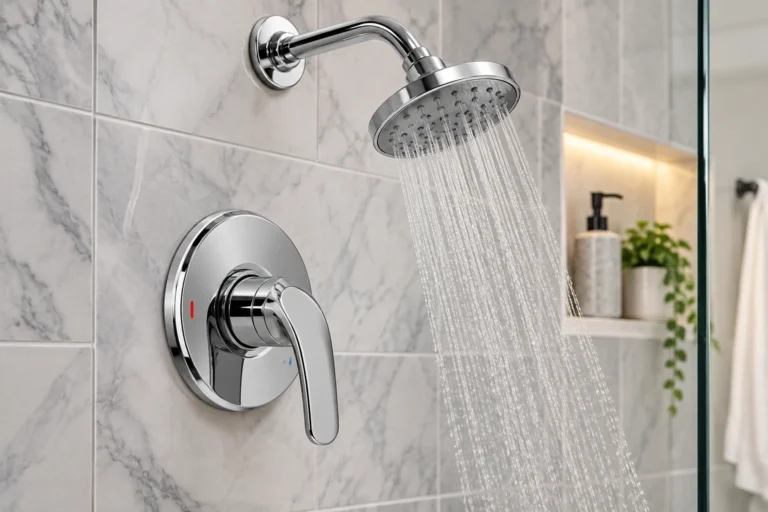
Fixed shower heads are among the most common options for residential bathrooms. They are installed directly onto a shower arm connected to the wall or ceiling.
These models are available in different shapes, sizes, and finishes. Some provide a simple single spray pattern, while others include adjustable spray settings.
Benefits of fixed shower heads:
-
Simple and practical design.
-
Suitable for most bathroom layouts.
-
Available in affordable price ranges.
-
Easy to operate and maintain.
-
Compatible with many standard shower connections.
Fixed shower heads are an excellent choice for homeowners who prefer a traditional and straightforward showering experience.
B. Rainfall Shower Heads
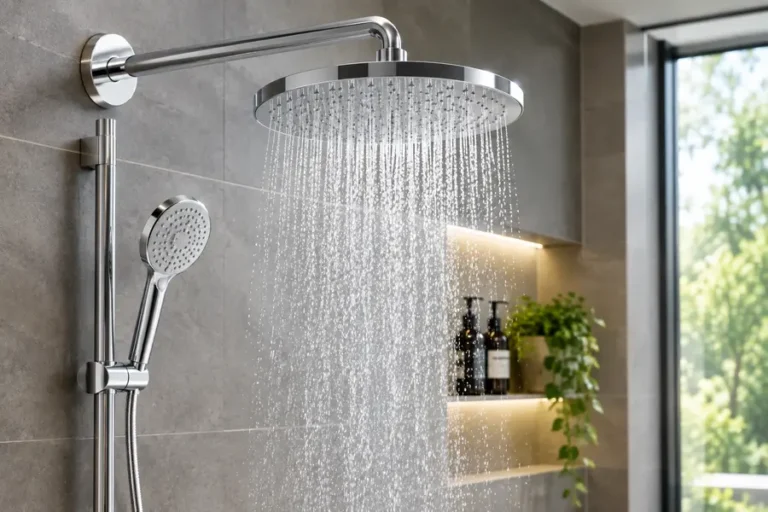
Rainfall shower heads are designed to distribute water over a wider area, creating an experience similar to natural rainfall.
They are usually larger than traditional shower heads and can be installed on the ceiling or mounted on an extended shower arm.
Rainfall models are especially popular in contemporary and luxury bathrooms because of their elegant appearance.
Key advantages include:
-
Wide water coverage.
-
Relaxing shower experience.
-
Modern and luxurious appearance.
-
Different sizes and installation styles.
-
Suitable for contemporary bathroom designs.
However, rainfall shower heads may require suitable water pressure and proper installation height. Some models also consume more water depending on their flow rate.
C. Handheld Shower Heads
Handheld shower heads are connected to a flexible hose, allowing users to move the shower head freely.
They are particularly useful for families, older adults, people with limited mobility, and households that need flexible cleaning options.
Important benefits:
-
Flexible positioning.
-
Convenient bathroom cleaning.
-
Easier rinsing of hair and body.
-
Helpful for bathing children and pets.
-
Available with multiple spray settings.
Many handheld models include adjustable mounting brackets, allowing users to switch between handheld and fixed positioning.
D. Dual Shower Heads
Dual shower head systems combine two shower outlets, usually a fixed shower head and a handheld unit.
Depending on the model, users can operate either outlet separately or use both simultaneously.
These systems provide flexibility and are commonly found in upgraded residential bathrooms.
Why choose a dual shower system?
-
Two different showering options.
-
Flexible water distribution.
-
Convenient for different household needs.
-
Modern bathroom appearance.
-
Multiple spray experiences.
Before purchasing, check whether your plumbing system can support the required water flow.
E. High-Pressure Shower Heads
High-pressure shower heads are designed to provide a stronger-feeling water stream.
They use different nozzle arrangements and spray patterns to concentrate water flow. Some models are specifically designed to perform better in homes with relatively low water pressure.
These products can be useful when a traditional shower feels weak or inconsistent.
However, a shower head cannot always solve an underlying plumbing problem. Blocked pipes, faulty valves, or insufficient water supply may require professional inspection.
F. Water-Saving Shower Heads
Water-saving shower heads are designed to reduce water consumption without completely sacrificing shower comfort.
Many models use flow restrictors, aeration technology, or specially designed nozzles to manage water distribution.
They can help households reduce water usage and potentially lower water-heating expenses.
When choosing a water-efficient model, check its published flow rate and compare it with your existing shower head.
3. Important Features to Consider When Buying Shower Heads
Selecting a shower head involves more than choosing an attractive design. You should also consider performance, durability, convenience, and compatibility with your bathroom plumbing.
1. Water Pressure Compatibility
Water pressure is one of the most important factors when purchasing a shower head.
Some shower heads are designed for standard household pressure, while others are engineered to provide a stronger-feeling spray under lower-pressure conditions.
Before purchasing, understand your home’s existing water pressure.
If your bathroom experiences consistently weak water flow, consider checking the plumbing system before replacing the shower head.
2. Adjustable Spray Settings
Many modern shower heads offer multiple spray patterns.
Common settings include:
-
Rainfall spray for gentle water distribution.
-
Massage spray for a stronger, concentrated stream.
-
Mist spray for a softer water experience.
-
Jet spray for targeted rinsing.
-
Combination spray for balanced coverage.
Adjustable settings allow different household members to customize their shower experience.
3. Material and Durability
Material quality affects how long a shower head lasts.
Common materials include ABS plastic, stainless steel, and brass.
Stainless steel and brass options are often preferred for their durability, while ABS plastic models are generally lightweight and available at more affordable prices.
Always check the product specifications and manufacturer information before making a purchase.
4. Nozzle Design
The nozzle design determines how water is distributed.
Silicone nozzles are particularly convenient because mineral deposits can often be removed by gently rubbing the nozzle surface.
Some shower heads also feature anti-clog designs that help reduce maintenance requirements.
5. Finish and Appearance
A shower head should complement the overall bathroom design.
Popular finishes include:
-
Chrome.
-
Matte black.
-
Brushed nickel.
-
Brushed gold.
-
Polished stainless steel.
-
Oil-rubbed bronze.
Matching the shower head with faucets, handles, and other bathroom accessories can create a more coordinated appearance.
4. Benefits of Installing Modern Shower Heads
Upgrading an old shower head can improve both bathroom functionality and everyday convenience.
Improved Shower Comfort
Modern shower heads offer different spray patterns and water distribution technologies. These features help users find a comfortable setting according to their preferences.
Better Water Efficiency
Water-efficient shower heads can reduce unnecessary water consumption. This is particularly beneficial for households looking to manage utility expenses and use resources responsibly.
Enhanced Bathroom Appearance
A stylish shower head can become an attractive feature of a modern bathroom.
Rainfall designs, matte black fixtures, and brushed metal finishes can complement contemporary bathroom interiors.
Convenient Daily Use
Features such as adjustable spray settings, flexible hoses, and easy-clean nozzles make modern shower heads more convenient.
Easier Cleaning and Maintenance
Many newer models include removable components or silicone nozzles that simplify routine cleaning.
Choosing a product with easy maintenance features can save time and help preserve its performance.
5. How to Choose the Best Shower Head for Your Bathroom
With so many options available, selecting the right shower head can feel confusing. A simple comparison of your requirements can make the decision easier.
Consider the following factors before purchasing.
Evaluate Your Bathroom Size
Bathroom size can influence the type of shower head that works best.
A compact bathroom may benefit from a standard fixed shower head or a smaller handheld model. Larger bathrooms may accommodate wide rainfall shower heads and dual shower systems.
Make sure the shower head does not interfere with other bathroom fixtures.
Understand Your Water Pressure
Different shower heads perform differently depending on the water supply.
If you have low water pressure, look for models specifically designed for lower-pressure systems.
For a rainfall shower head, confirm that the available pressure and flow rate meet the manufacturer’s recommendations.
Consider Your Budget
Shower heads are available across different price categories.
Basic models generally focus on essential functionality, while premium products may offer larger spray surfaces, multiple settings, better materials, and advanced finishes.
Set a reasonable budget and prioritize features that provide practical value.
Check Installation Requirements
Some shower heads can be installed using standard connections, while others require additional plumbing work.
Before purchasing, check:
-
Connection size.
-
Required shower arm.
-
Hose compatibility.
-
Mounting requirements.
-
Water pressure recommendations.
-
Manufacturer installation instructions.
If installation requires plumbing modifications, consider hiring a qualified professional.
Choose a Suitable Design
Your shower head should match the overall appearance of your bathroom.
For example, chrome fixtures work well in traditional and modern interiors, while matte black designs can create a contemporary appearance.
6. Shower Head Installation Guide
Installing a standard shower head is often a simple DIY project. However, installation requirements vary depending on the product.
Here are the general steps for replacing a traditional shower head.
Step 1: Remove the Existing Shower Head
Carefully unscrew the old shower head from the shower arm. If it is difficult to remove, use an adjustable wrench while protecting the finish with a soft cloth.
Step 2: Clean the Connection
Remove old sealing tape and clean the threaded connection. Check for visible damage or corrosion.
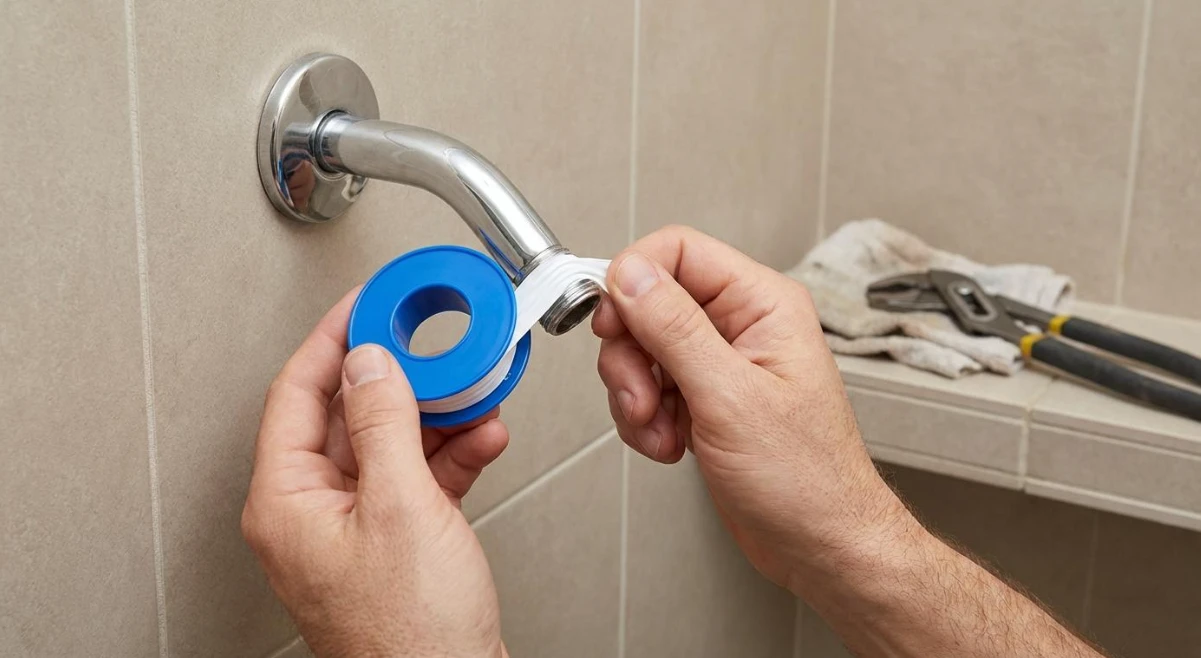
Step 3: Apply Thread Seal Tape
Apply suitable plumber’s thread seal tape to the threaded connection when recommended by the manufacturer.
This helps create a secure connection and reduces the possibility of leaks.
Step 4: Install the New Shower Head
Carefully attach the new shower head and tighten it according to the manufacturer’s instructions.
Avoid excessive force because overtightening can damage the threads.
Step 5: Test Water Flow
Turn on the water and inspect the connection for leaks.
Check whether the shower head distributes water correctly and whether its adjustable settings work as expected.
For ceiling-mounted systems, concealed plumbing, or complicated installations, professional assistance is recommended.
7. How to Clean and Maintain Shower Heads
Regular maintenance helps keep shower heads working properly.
Over time, mineral deposits, dirt, and limescale can accumulate around the nozzles. This may reduce water flow and create uneven spray patterns.
Follow these maintenance tips to keep your shower head in good condition.
Clean the Nozzles Regularly
If your shower head has flexible silicone nozzles, gently rub them to loosen mineral deposits.
For other models, follow the manufacturer’s cleaning instructions.
Use Suitable Cleaning Solutions
A mild cleaning solution may help remove mineral buildup.
White vinegar is commonly used for certain compatible shower head materials, but it should not be used on finishes or materials that may be damaged by acidic cleaners.
Always check manufacturer recommendations first.
Check for Leaks
Inspect the connection between the shower arm and shower head.
Small leaks can waste water and may indicate a damaged washer or loose connection.
Inspect the Hose
For handheld shower heads, check the flexible hose for cracks, leaks, or signs of wear.
Replace damaged components when necessary.
Avoid Harsh Chemicals
Strong chemical cleaners, abrasive pads, and rough brushes can damage decorative finishes.
Use soft cleaning materials and products recommended by the manufacturer.
8. Common Shower Head Problems and Their Solutions
Even high-quality shower heads can experience problems over time.
Understanding common issues can help you identify simple solutions.
| Common Problem | Possible Cause | Suggested Solution |
|---|---|---|
| Low water flow | Mineral buildup | Clean the nozzles |
| Uneven spray | Blocked openings | Remove deposits |
| Water leakage | Loose connection | Check the connection |
| Weak pressure | Plumbing issue | Inspect the water supply |
| Dripping after use | Residual water or faulty valve | Check the shower valve |
| Damaged hose | Wear and tear | Replace the hose |
Why Is My Shower Head Losing Water Pressure?
Mineral deposits can block small nozzle openings and affect water distribution.
However, low water pressure can also result from plumbing restrictions, partially closed valves, or problems with the water supply.
Start by cleaning the shower head. If the problem continues, inspect the plumbing system.
Why Does My Shower Head Leak?
Leaks may occur because of damaged washers, loose threaded connections, worn hoses, or installation problems.
Check the connection and replace damaged sealing components where appropriate.
If water continues to leak from the shower valve after the shower is turned off, the valve may need professional repair.
9. Best Shower Head Designs for Modern Bathrooms
Bathroom design trends continue to evolve, and shower heads play an important role in creating a modern interior.
Here are some popular design directions worth considering.
Minimalist Shower Heads
Minimalist designs feature clean shapes, simple finishes, and uncluttered appearances.
They work particularly well in contemporary bathrooms where simplicity is an important design element.
Matte Black Shower Heads
Matte black fixtures provide a bold visual contrast and complement neutral-colored bathroom interiors.
They are especially popular in modern industrial and minimalist bathroom designs.
Brushed Gold Shower Heads
Brushed gold finishes can add a premium appearance to bathroom interiors.
They pair well with natural stone, white tiles, and warm-colored accessories.
Large Rainfall Shower Heads
Large rainfall shower heads provide wide water coverage and can become the main visual feature of a luxury shower area.
Before selecting an oversized model, make sure your water supply and installation arrangement are suitable.
10. Water-Saving Technology in Modern Shower Heads
Water conservation is becoming an important consideration for homeowners.
Traditional shower heads may use more water than necessary, depending on their design and flow rate.
Modern water-saving models use different technologies to manage water consumption.
Flow Restrictors
Flow restrictors regulate the amount of water passing through the shower head.
They are designed to reduce unnecessary water consumption while maintaining an acceptable shower experience.
Aeration Technology
Some shower heads mix air with water to create a fuller-feeling spray.
The actual performance depends on the product’s design and operating conditions.
Optimized Nozzle Design
Specially designed nozzle openings help distribute water efficiently.
This can improve spray coverage while managing the amount of water used.
Why Water Efficiency Matters
Reducing water consumption can offer several advantages:
-
Lower water usage.
-
Reduced water-heating demand.
-
Potential savings on utility expenses.
-
More responsible resource consumption.
-
Improved household efficiency.
When comparing products, look for clearly stated flow-rate specifications rather than relying only on marketing descriptions.
11. Fixed vs. Handheld vs. Rainfall Shower Heads
If you are unsure which type to choose, comparing the main options can help.
| Feature | Fixed | Handheld | Rainfall |
|---|---|---|---|
| Installation | Wall or ceiling | Wall bracket and hose | Wall or ceiling |
| Flexibility | Limited | High | Limited |
| Water Coverage | Depends on size | Adjustable | Usually wide |
| Cleaning Convenience | Standard | Excellent | Standard |
| Design Style | Traditional/Modern | Practical | Luxury/Modern |
| Best For | Everyday use | Flexible use | Relaxing showers |
There is no single best shower head for every bathroom. The right choice depends on your available space, plumbing system, preferred spray pattern, and maintenance expectations.
12. Shower Head Buying Mistakes to Avoid
Before purchasing a shower head, avoid these common mistakes.
Ignoring Water Pressure: A large rainfall shower head may not deliver the expected performance if your water supply is insufficient.
Choosing Appearance Over Functionality: A beautiful design is important, but it should also provide reliable performance and convenient operation.
Not Checking Compatibility: Always confirm the connection size and installation requirements.
Overlooking Maintenance: Shower heads with difficult-to-clean nozzles may require more effort to maintain.
Ignoring Water Efficiency: Check the flow rate to understand how much water the product uses.
Buying Without Checking Reviews: Customer feedback can provide useful information about installation, durability, and real-world performance.
Making a thoughtful purchasing decision can help you avoid unnecessary replacement costs.
13. Frequently Asked Questions About Shower Heads
1. What is the best type of shower head for everyday use?
Fixed shower heads are a practical option for everyday use because they are simple, easy to maintain, and available in many designs. Handheld models are another excellent choice for people who need additional flexibility.
2. Are rainfall shower heads worth buying?
Rainfall shower heads can be worth buying if you prefer wide water coverage and a relaxing shower experience. However, you should check water pressure, flow rate, and installation requirements before purchasing.
3. Do high-pressure shower heads really work?
High-pressure shower heads can create a stronger-feeling spray through specialized nozzle designs. However, they cannot necessarily fix underlying plumbing or water supply problems.
4. How often should I clean my shower head?
Cleaning frequency depends on water quality and usage. In areas with hard water, checking for mineral buildup every few weeks is a good practice.
5. Can I install a shower head myself?
Many standard shower heads are designed for straightforward DIY installation. More complicated systems, such as concealed or ceiling-mounted fixtures, may require professional assistance.
6. Are water-saving shower heads effective?
Yes. Water-saving shower heads are designed to manage water flow and reduce consumption. Their actual efficiency depends on the product’s flow rate and design.
7. What material is best for shower heads?
Stainless steel and brass are popular choices for durability. ABS plastic is another option because it is lightweight and often more affordable.
8. Why does my shower head spray unevenly?
Uneven spraying is often caused by mineral deposits blocking the nozzles. Cleaning the shower head according to the manufacturer’s instructions may solve the problem.
9. What is the difference between fixed and handheld shower heads?
Fixed shower heads remain attached to the wall or ceiling, while handheld models connect to a flexible hose and can be moved freely.
10. How long does a shower head last?
Lifespan depends on material quality, water conditions, usage, and maintenance. Regular cleaning and replacing worn components can help extend its useful life.
Conclusion
Choosing the right shower head is an important part of creating a comfortable, practical, and attractive bathroom. With so many available options, homeowners can select products that match their preferences, plumbing requirements, and budgets.
Fixed shower heads offer simplicity, handheld models provide flexibility, and rainfall shower heads create a more luxurious experience. Water-saving designs can also help reduce unnecessary water consumption without compromising everyday convenience.
Before purchasing, consider water pressure, material quality, spray settings, installation requirements, and maintenance needs. These factors will help you select a shower head that delivers reliable performance and complements your bathroom design.
Whether you are renovating an existing bathroom or upgrading a single fixture, investing time in choosing the right shower head can improve your daily routine and provide long-term value.