Pfister Shower Valve: Features, Types, Benefits, and Buying Guide
Introduction
Until the shower valve stops functioning as it should, you probably don’t have to think a whole lot about that valve.Until the shower valve no longer performs as it should, with water that won’t get to a constant temperature, water that’s not held steady by the valve’s handle or pressure that seems to move on its own, you probably don’t have to think very much about that shower valve.
The little piece of equipment behind your shower wall is actually working much harder than you might think and once it’s working correctly, showering is easy as pie. That is why it is essential to know what it is if you are having problems with your shower or updating your bathroom.
What Is a Pfister Shower Valve?
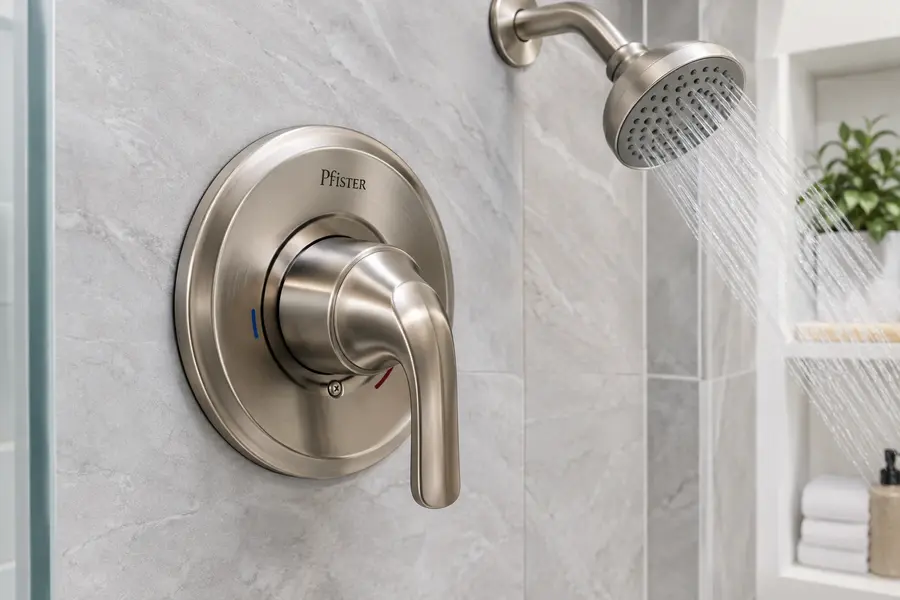
A shower valve is the mechanism that’s located inside your shower wall, which regulates the flow of water and its temperature before it hits the shower head or hand shower. It is also linked to the hot and cold water lines in your home and functions with the shower handle and trim to control the water that flows out when you turn on the shower.
How a Shower Valve Works
When you adjust your shower handle, this action is carried out to the valve which is responsible for mixing hot and cold water from the supply lines to the temperature and flow you want. This can also help to keep the pressure or temperature steady, even if water is used in other parts of the home, like if a person flushes a toilet while you are in the shower.
Types of Shower Valves to Consider
Pressure Balance Valves
These are designed to help keep water pressure in the hot and cold lines consistent, which will minimize any abrupt changes in temperature that would result from changes in pressure throughout the home.
Thermostatic Shower Valves
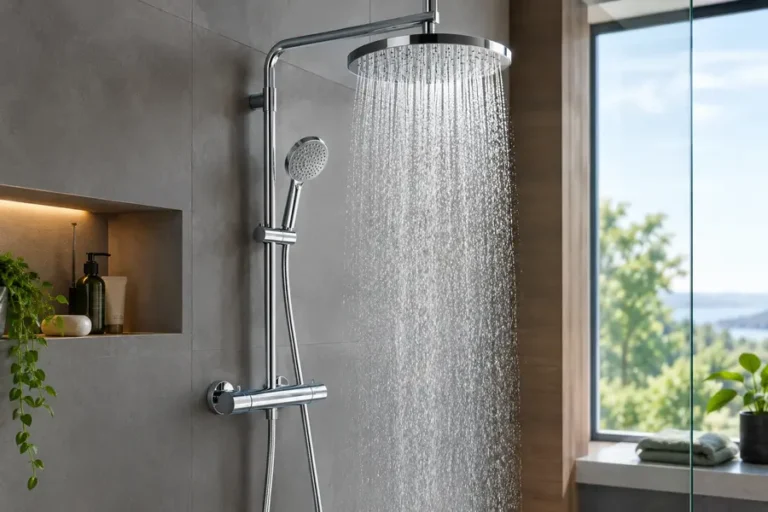
A thermostatic shower valve is designed to help keep the water temperature consistent, making its own adjustments within the valve to control the flow.
Manual Mixing Valves
A simpler valve which mixes hot and cold water according to the handle position, rather than utilizing the pressure and temperature control components of pressure balance and thermostatic designs.
Which valve is best suited is dependent on your home’s plumbing, water pressure, and your own desire for temperature stability.
Key Features and Benefits
When evaluating shower valves, there are some characteristics that are important:
- There are various methods of regulating temperature – Pressure balance and thermostatic valves are two of them.
- Installation ease – Valve types come in a variety of configurations that may make them more or less compatible with your home’s water lines.
- Trim compatibility – The valve is compatible with an individual trim kit that contains the trim handle and the trim cover plate.
- Durability – Valves are located within the wall and require little maintenance over time, so durability is important.
The overall advantages of a good working shower valve are that the water temperature remains constant, there are less temperature fluctuations and the shower works more reliably every day.
Pfister Shower Valve Installation Basics
Installing a shower valve is usually more involved than replacing the shower head or a faucet, as it is installed in the wall and is connected directly to your home’s plumbing.
Normally involves opening the wall to reach the plumbing, reconnecting the valve to the hot and cold supply pipes, and sealing up everything before closing the wall.
Common Shower Valve Problems
There are a few common problems that one may experience when the shower valve is old or failing: temperature fluctuation in the shower, loose or hard to turn handle, water trickling from the shower head even when the shower is off, or random pressure rises when using other water faucets in the house.
Maintenance and Replacement Tips
The shower valves are concealed in the wall, which means there are only a few things homeowners can do directly to maintain the shower. To help minimize strain on the valve, however, cleaning and avoiding the use of excessive force on the visible trim and handle and treating small leaks promptly can help over time.
What to Check Before Buying
When shopping for a shower valve, make sure that you check to see if it is compatible with the type and connection of the plumbing in your home because the type and connection of the valve can vary.
Discuss with your household the advantages and disadvantages of a pressure balance or thermostatic valve to meet their needs for water pressure and temperature. Take into account installation needs, especially if there is a need to open up wall space, and allow for professional installation if it’s not something you’re familiar with.
Pfister Shower Valve vs. Standard Shower Valve
| Feature | Pfister Shower Valve | Standard Shower Valve |
| Function | Regulates water flow and temperature | Basic flow and temperature control |
| Temperature Control | Pressure balance or thermostatic options available | Often limited to manual mixing |
| Installation | Requires wall access; best done by a plumber | Similarly requires professional installation |
| Maintenance | Minimal direct maintenance; internal wear over time | Similar maintenance needs |
| Compatibility | Varies by valve type and plumbing setup | Varies by brand and model |
| Ideal Use | Homeowners wanting more consistent temperature control | Basic shower setups without added regulation |
Conclusion
A Pfister Shower Valve might not seem like a big deal, but it’s a crucial component in your shower experience day-to-day without you even realizing it. If you are experiencing issues with a valve that is starting to wear out, or you are thinking about having a bath remodeled, it is useful to know the various types of valves and the factors to consider when installing them.
FAQs
The difference between a pressure balance and thermostatic shower value?
A pressure balance valve aids in balancing the pressure between hot and cold lines, and a thermostatic valve helps to keep the temperature more accurate and at a set level.
Do I have the skills to replace the shower valve?
Installation can be a relatively involved process, as it requires access to the wall plumbing and it’s best to have a licensed plumber do it.
How can I determine if I need to replace my shower valve?
Leaks, temperature fluctuations, or problems with hands that don’t get as hot as they should, even when the shower is turned off, are common indicators.
Do all Pfister shower valves accept any shower trim kit?
There can be some compatibility issues, however; be sure to check that the valve and trim kit that you select are compatible.
How many times should you change a shower faucet?
It has no set time limit as it depends on usage and water conditions, but if it is a problem for a long time, it is time to replace it.