
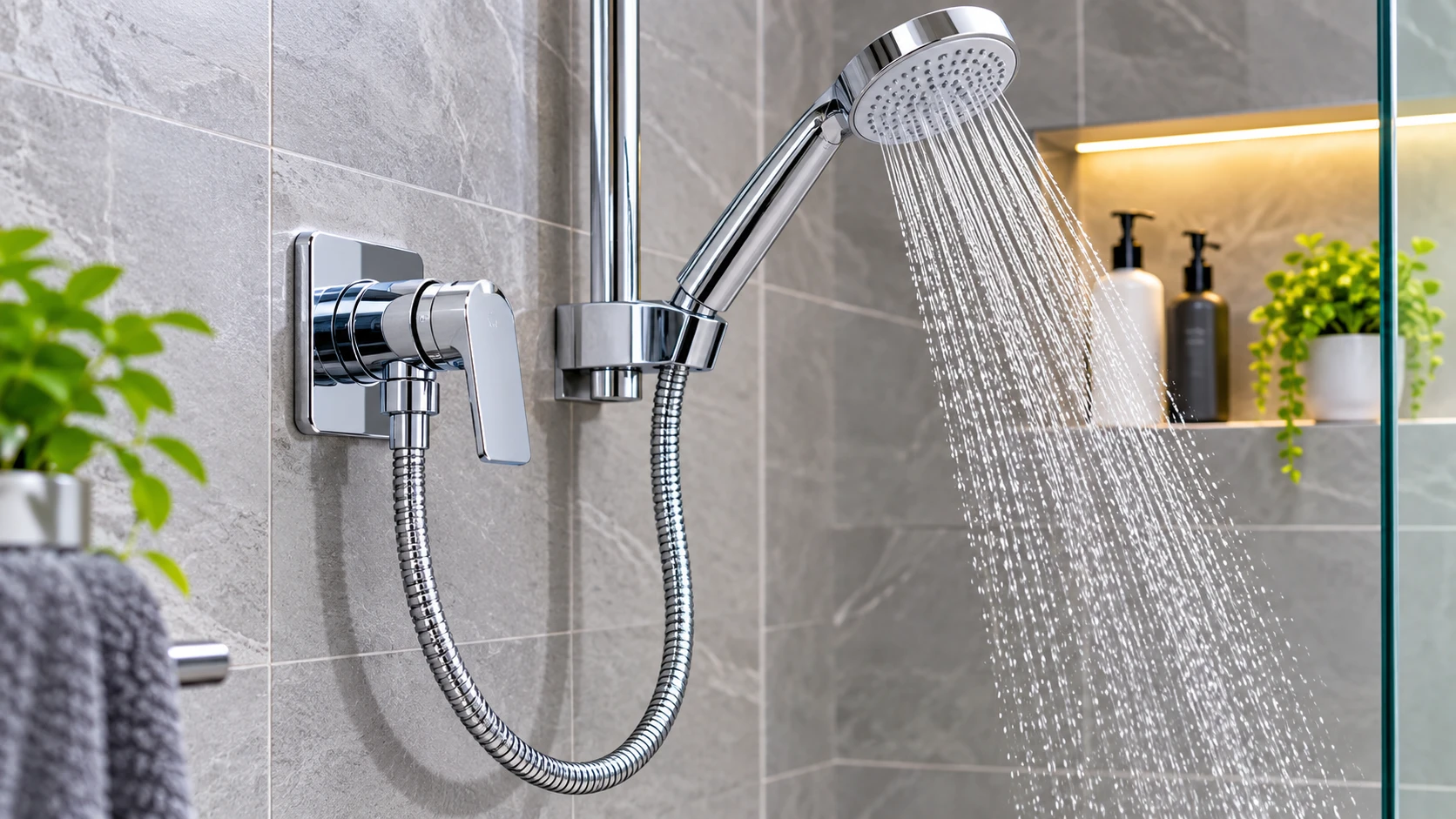
Hansgrohe Hose: Complete Guide to Types, Features, Replacement, and Maintenance
Introduction
Hansgrohe Hose system is an important part of a comfortable and functional bathroom. While homeowners often focus on showerheads, faucets, and bathroom accessories, the shower hose is another essential component that deserves attention. A high-quality hose provides flexibility, supports consistent water delivery, and makes everyday showering more convenient.
A Hansgrohe hose is designed for use with compatible shower systems and bathroom fixtures from Hansgrohe, a well-known manufacturer of bathroom and kitchen products. These hoses are available in different designs, lengths, finishes, and connection configurations to suit various bathroom requirements.
Whether you are installing a new shower system, replacing an old hose, or upgrading your bathroom, understanding the available options can help you make a better decision.
In this comprehensive guide, we will explore Hansgrohe shower hoses, their features, different types, benefits, installation procedures, common problems, maintenance recommendations, and tips for choosing the right replacement.
What Is a Hansgrohe Hose?
A Hansgrohe hose is a flexible plumbing accessory used to connect a handheld showerhead to a water outlet, shower mixer, or compatible shower connection.
It allows users to move the handheld showerhead freely while maintaining a secure water connection. This flexibility makes showering, rinsing, and bathroom cleaning easier.
Hansgrohe manufactures shower hoses in different materials and designs. Depending on the product, a hose may feature a smooth exterior, metallic appearance, reinforced construction, or specialized surface treatment.
These products are developed to work with compatible Hansgrohe shower systems and other suitable plumbing connections.
Common applications include:
- Handheld shower systems.
- Wall-mounted shower connections.
- Bathroom shower mixers.
- Bathtub shower combinations.
- Shower rail systems.
- Replacement shower installations.
Choosing a suitable hose is important because the wrong connection size, length, or design may create installation difficulties.
Main Features of Hansgrohe Hoses
Hansgrohe hoses are designed with practical features that support comfortable everyday bathroom use.
1. Flexible Construction
Flexibility is one of the most important features of a shower hose.
A flexible hose allows users to move the handheld showerhead in different directions without constantly adjusting their position.
This feature is particularly useful when washing children, rinsing hair, cleaning shower areas, or reaching different parts of the body.
2. Durable Materials
Shower hoses are exposed to water, temperature changes, movement, and regular handling.
Depending on the model, Hansgrohe hoses may feature metal or synthetic exterior materials combined with an internal water-carrying structure.
The quality of these materials can influence flexibility, resistance to everyday wear, and overall product lifespan.
3. Easy Installation
Many Hansgrohe shower hoses use standard threaded connections for compatible shower systems.
This makes installation relatively straightforward when the connection specifications match.
However, checking the thread size and product compatibility before purchasing is essential.
4. Comfortable Handling
A well-designed shower hose should move smoothly without excessive resistance.
Good flexibility can make the handheld shower easier to position and reduce inconvenience during everyday use.
5. Modern Bathroom Appearance
Hansgrohe offers shower accessories in different finishes and styles.
A suitable hose can complement chrome showerheads, modern shower mixers, and contemporary bathroom fittings.
Matching the hose finish with other bathroom accessories can create a cleaner and more coordinated appearance.
Different Types of Hansgrohe Shower Hoses
Hansgrohe offers different shower hose designs to meet different installation requirements and personal preferences.
Understanding the available styles can help homeowners select a suitable option.
1. Metallic Shower Hoses
Metallic shower hoses are popular because of their traditional appearance and compatibility with many modern bathroom designs.
Some feature a spiral-style metal exterior, giving them a distinctive finish.
Potential advantages include:
- Attractive metallic appearance.
- Flexible construction.
- Compatibility with selected handheld shower systems.
- A classic bathroom accessory design.
However, cleaning and maintenance are important to prevent mineral deposits and surface discoloration.
2. Plastic Shower Hoses
Plastic or synthetic shower hoses offer another practical option.
They are generally designed with smooth surfaces that can be easier to clean than certain textured metallic designs.
Common advantages include:
- Lightweight construction.
- Smooth exterior surfaces.
- Convenient everyday handling.
- Different lengths and finishes.
The exact durability and flexibility depend on the specific hose model and construction.
3. Smooth Shower Hoses
Smooth shower hoses are designed to provide a clean exterior surface.
Their appearance makes them suitable for contemporary bathrooms where homeowners prefer minimal and simple accessories.
Some smooth hoses are also designed to reduce the tendency of the exterior to catch on surrounding bathroom surfaces.
4. Anti-Twist Shower Hoses
Some shower hoses feature swivel connections or specialized designs that help reduce twisting during use.
Twisting can make a shower hose uncomfortable to handle and may contribute to unnecessary stress on its connections.
An anti-twist feature can improve everyday convenience by allowing the hose to move more freely.
Always check the individual product specifications because not every Hansgrohe hose includes the same anti-twist technology.
5. Replacement Shower Hoses
Replacement hoses are designed to replace damaged, leaking, or outdated shower connections.
They are available in different lengths, materials, and connection configurations.
Before ordering a replacement, compare the original hose specifications with the new product to ensure compatibility.
Benefits of Using a Hansgrohe Hose
Choosing a quality shower hose can improve the overall experience of using a handheld shower system.
Here are some important benefits.
Improved Shower Flexibility
A flexible hose makes it easier to direct water exactly where it is needed.
This is especially useful for handheld showerheads, bathtub shower combinations, and bathrooms used by multiple family members.
Convenient Bathroom Cleaning
A handheld showerhead connected to a suitable hose makes cleaning shower trays, bathtubs, and bathroom surfaces easier.
The extended reach helps users rinse areas that may be difficult to access with a fixed showerhead.
Better Bathroom Appearance
A matching shower hose can improve the appearance of the entire shower installation.
Choosing a finish that complements the showerhead and mixer creates a more coordinated bathroom design.
Practical Replacement Options
When an existing shower hose becomes damaged, replacing the hose may be a simple solution.
There is often no need to replace the complete shower system if the showerhead, mixer, and water connections remain in good condition.
Everyday Comfort
A properly sized and flexible hose helps users operate a handheld showerhead without unnecessary pulling or awkward movement.
This can make daily showering more comfortable and convenient.
How to Choose the Right Hansgrohe Hose
Selecting the correct shower hose involves more than choosing an attractive design.
You should consider several important factors before purchasing.
1. Check the Hose Length
Shower hoses are available in different lengths.
The appropriate length depends on your bathroom layout, showerhead position, and personal requirements.
A shorter hose may be suitable for compact shower installations, while a longer option can provide additional movement.
Measure your existing hose before purchasing a replacement.
2. Confirm Connection Compatibility
Connection compatibility is one of the most important considerations.
Check the thread specifications of your existing shower outlet and handheld showerhead.
Many shower hoses use common connection standards, but compatibility should never be assumed.
Review the manufacturer’s specifications or consult a plumbing professional if you are unsure.
3. Choose the Right Material
Consider whether you prefer a metallic exterior, smooth synthetic finish, or another available construction.
Think about cleaning requirements, bathroom appearance, and everyday handling.
The best choice depends on your installation and personal preferences.
4. Consider Anti-Twist Features
If your current shower hose frequently twists or becomes difficult to position, consider a compatible model with an anti-twist or swivel connection.
This feature can make everyday use more convenient.
5. Match Your Bathroom Finish
Hansgrohe hoses and shower accessories are available in different appearances.
Chrome is a popular choice for traditional and modern bathrooms, while other finishes may complement specific bathroom designs.
Try to match the hose with your showerhead and mixer for a consistent appearance.
How to Replace a Hansgrohe Shower Hose
Replacing an existing shower hose is usually a straightforward plumbing task when the connections are accessible and compatible.
Follow these general steps.
Step 1: Turn Off the Shower
Turn off the shower and allow any remaining water inside the hose to drain.
You generally do not need to shut off the entire household water supply for a standard shower hose replacement, provided the shower controls properly stop the water flow.
Step 2: Remove the Existing Shower Hose
Locate the connection between the shower hose and the water outlet or shower mixer.
Carefully unscrew the connection by turning it counterclockwise.
Then disconnect the other end from the handheld showerhead.
If the connections are tight, use an appropriate tool carefully and protect the finish from scratches.
Step 3: Inspect the Connection Points
Check both connection points for dirt, mineral deposits, damaged threads, or worn washers.
Remove loose debris and clean the accessible surfaces.
Damaged threads or connection components may require additional repair before installing the new hose.
Step 4: Check the Replacement Hose
Before installation, compare the replacement hose with the old one.
Confirm:
- Overall hose length.
- Connection thread specifications.
- Washer placement.
- Connection compatibility.
- Exterior finish.
Make sure the replacement is suitable for your shower system.
Step 5: Install the New Hose
Connect one end of the new hose to the shower outlet or mixer.
Install the supplied washer correctly and tighten the connection securely by hand.
Connect the other end to the handheld showerhead.
Avoid excessive tightening because it may damage the threads or sealing components.
Step 6: Test the Shower
Turn on the water and check both connections.
Look for leaks, unusual movement, and signs of poor sealing.
If water leaks from a connection, turn off the shower and inspect the washer and thread alignment.
Common Hansgrohe Hose Problems and Their Solutions
Even a quality shower hose can develop problems over time.
Understanding common issues can help homeowners identify the correct solution.
1. Water Leaking From the Connections
Water leaking around the hose connections is a common problem.
Possible causes include:
- Worn rubber washers.
- Incorrectly installed washers.
- Loose connections.
- Damaged threads.
- Incompatible connection fittings.
Start by inspecting the washers and connection points.
Replacing a worn washer may solve the issue without requiring a new hose.
2. Shower Hose Twisting
A shower hose that frequently twists can make handheld shower use uncomfortable.
This may happen because of the hose design, incorrect installation, or repeated movement.
Check whether the hose has an anti-twist connection and ensure that it is installed correctly.
Replacing a severely damaged or permanently twisted hose may be necessary.
3. Reduced Water Flow
A damaged or obstructed shower hose may affect water delivery.
Mineral deposits, internal damage, or a restricted connection can contribute to reduced flow.
Inspect the hose and showerhead separately to identify the source of the problem.
If the hose is internally damaged or blocked, replacement may be the most practical option.
4. Cracks or Exterior Damage
Regular bending, pulling, and exposure to bathroom conditions can eventually damage a shower hose.
Visible cracks, bulges, or water escaping through the exterior indicate that the hose may need replacement.
Do not continue using a hose that has significant structural damage.
5. Stiff or Difficult Movement
A hose may become less flexible because of wear, twisting, or material deterioration.
Check whether it moves naturally and whether the connections are correctly positioned.
If flexibility does not improve, consider replacing it with a compatible model.
How to Maintain a Hansgrohe Hose
Proper maintenance helps keep a shower hose clean, functional, and visually attractive.
A few simple habits can reduce unnecessary wear.
Clean the Exterior Regularly
Wipe the hose with a soft cloth and suitable cleaning solution.
Avoid abrasive cleaning pads and harsh chemicals that may damage the exterior finish.
Always follow the manufacturer’s cleaning recommendations.
Prevent Excessive Twisting
Avoid repeatedly twisting or pulling the hose.
Allow it to hang naturally after use instead of forcing it into an uncomfortable position.
Inspect Rubber Washers
Check the connection washers periodically for wear or damage.
Replacing deteriorated washers can help prevent small leaks.
Remove Mineral Deposits
Hard water may leave mineral deposits around the hose connections and showerhead.
Clean affected areas using products suitable for the specific material and finish.
Avoid aggressive descaling chemicals unless the manufacturer approves them.
Avoid Excessive Pulling
Do not use the shower hose to pull the showerhead or support your body weight.
Excessive force can damage the hose connections and internal structure.
Check for Leaks
Inspect the hose occasionally while the shower is running.
Early detection of small leaks can prevent water waste and reduce the risk of additional bathroom damage.
Hansgrohe Hose vs. Generic Shower Hose
Homeowners sometimes compare branded shower hoses with generic alternatives.
Both options may be suitable, but there are important considerations.
A Hansgrohe hose may offer product-specific design features, finish compatibility, and manufacturer documentation for selected shower systems.
Generic hoses can provide more budget-friendly replacement options, but their dimensions, materials, and compatibility may vary.
Consider the following factors:
Compatibility: Check whether the hose is suitable for your existing shower system.
Material Quality: Compare the construction and exterior finish.
Flexibility: Choose a hose that moves comfortably without excessive twisting.
Connection Design: Verify thread specifications and washer requirements.
Warranty: Review the warranty and product support offered by the seller.
The most expensive option is not automatically the best choice. Select a product that meets your installation requirements and offers dependable performance.
When Should You Replace Your Hansgrohe Hose?
There is no universal replacement schedule for every shower hose.
The replacement interval depends on material quality, water conditions, installation, and frequency of use.
However, certain signs indicate that replacement may be necessary:
- Visible cracks or splits.
- Water leaking through the hose body.
- Repeated connection leaks.
- Permanent twisting or deformation.
- Damaged connection threads.
- Reduced flexibility caused by deterioration.
Replacing a damaged hose promptly can help maintain safe and convenient shower operation.
Frequently Asked Questions About Hansgrohe Hose
1. What is a Hansgrohe hose used for?
A Hansgrohe shower hose connects a handheld showerhead to a compatible shower outlet or mixer. It allows flexible movement and convenient water delivery.
2. Are Hansgrohe shower hoses universal?
Not every shower hose is universal. Many models use common connection standards, but you should always verify thread sizes and compatibility before purchasing.
3. How long is a Hansgrohe shower hose?
Hansgrohe offers different hose lengths depending on the product range. Check the individual product specifications to find the correct size for your bathroom.
4. Can I replace a Hansgrohe hose myself?
Yes. Many shower hoses can be replaced without professional assistance. You generally need to disconnect the old hose, inspect the washers, and install a compatible replacement.
5. Why is my Hansgrohe shower hose leaking?
Common causes include worn washers, loose connections, damaged threads, or cracks in the hose. Inspect the affected area to identify the problem.
6. How do I prevent my shower hose from twisting?
Choose a suitable hose with an anti-twist or swivel connection if available. Avoid excessive twisting and allow the hose to hang naturally after use.
7. How do I clean a Hansgrohe shower hose?
Use a soft cloth and a suitable cleaning product recommended for the hose material. Avoid abrasive tools and aggressive chemicals that could damage the finish.
8. Should I replace the showerhead and hose together?
Not necessarily. If the showerhead is working properly and the connections are compatible, replacing only the damaged hose is usually sufficient.
9. Are metallic shower hoses better than plastic hoses?
Both have advantages. Metallic hoses offer a distinctive appearance, while smooth synthetic hoses may be easier to clean. The best option depends on construction quality, compatibility, and personal preference.
10. Where can I buy a genuine Hansgrohe hose?
You can look for replacement hoses through authorized Hansgrohe dealers, established plumbing suppliers, and reputable online retailers. Verify the model number and product specifications before purchasing.
Conclusion
A Hansgrohe hose is an important accessory for maintaining a comfortable, flexible, and functional shower system. It connects the handheld showerhead to the water supply while allowing convenient movement during everyday bathroom use.
Choosing the correct hose requires attention to length, connection compatibility, material, flexibility, and overall design. Regular cleaning and inspection can also help maintain its appearance and performance.
Whether you are replacing a damaged hose or upgrading your bathroom, selecting a suitable product can improve everyday convenience and help maintain a reliable shower installation. By understanding common hose problems, replacement procedures, and maintenance practices, homeowners can make more informed plumbing decisions.
One Comment