Shower Trim and Handles: A Complete Guide to Bathroom Style and Functionality
Shower Trim and Handles requires more than attractive tiles, modern shower heads, and stylish accessories. Small details, such as shower trim and handles, play an important role in creating a comfortable and functional showering experience. These fixtures allow users to control water temperature, adjust water flow, and complement the overall appearance of their bathrooms.
Modern shower trim and handles are available in various designs, materials, finishes, and operating styles. From traditional round handles to contemporary lever controls, homeowners can find options that match their bathroom interiors and personal preferences.
Whether you are renovating an existing bathroom, replacing damaged fixtures, or designing a completely new shower space, understanding shower trim and handles can help you make a better purchasing decision.
In this guide, we will explore different types of shower trim, handle designs, materials, finishes, installation considerations, maintenance tips, and common problems.
1. What Are Shower Trim and Handles?
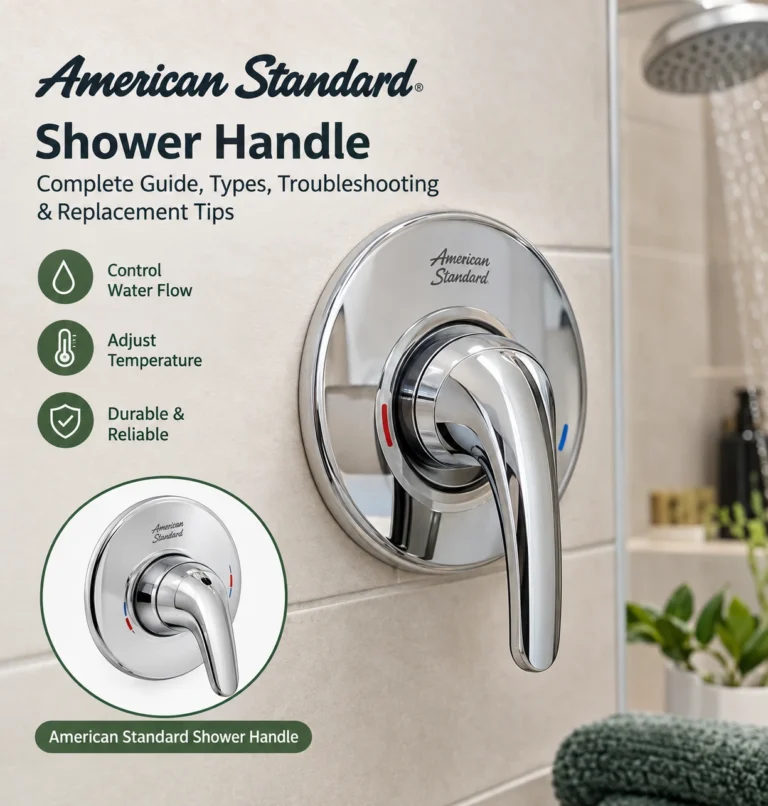
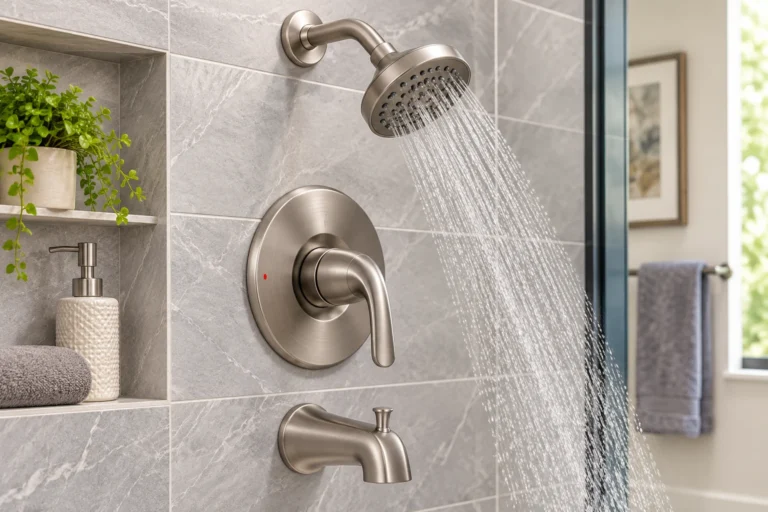
Shower trim refers to the visible components installed around a shower valve. These components typically include decorative plates, control handles, and other external parts that provide access to the shower’s operating mechanism.
Shower handles allow users to control water flow and temperature. Depending on the plumbing system, a shower may have one handle or multiple handles for separate functions.
A typical shower trim kit may include:
-
Decorative escutcheon plate.
-
Shower control handle.
-
Handle adapter.
-
Mounting screws.
-
Trim components.
-
Temperature adjustment components.
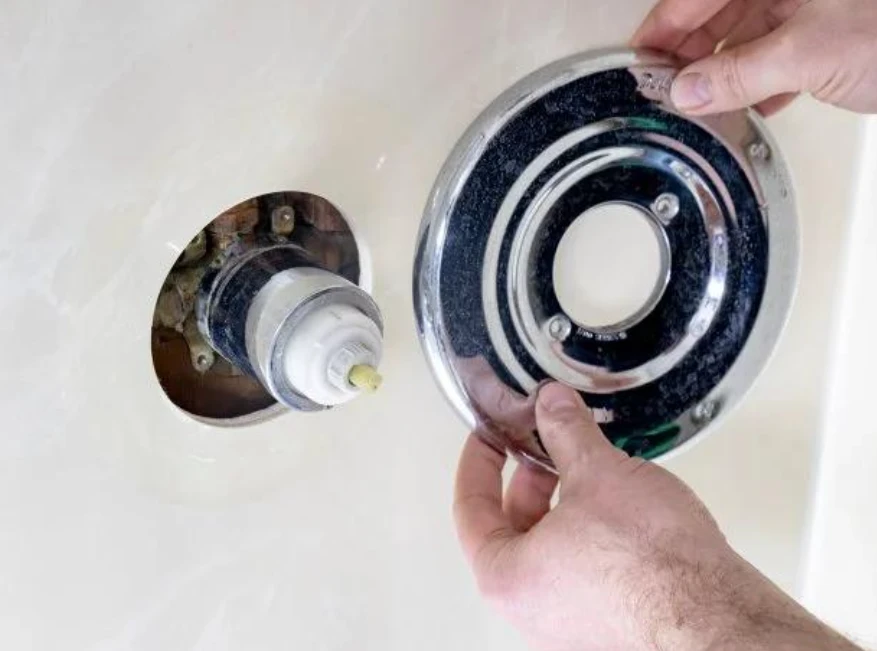
It is important to understand that shower trim is different from the internal shower valve. The valve controls water flow and mixing inside the wall, while the trim provides the external controls and decorative appearance.
Choosing compatible components is essential for proper operation and installation.
2. Different Types of Shower Trim and Handles
There are several types of shower trim and handles available. Each design offers different functionality and visual appeal.
A. Single-Handle Shower Trim
Single-handle shower trim systems use one control handle to regulate water temperature and flow.
Users can usually move the handle in different directions to adjust the water according to their preferences.
Benefits:
-
Simple operation.
-
Modern appearance.
-
Easy temperature adjustment.
-
Suitable for many residential bathrooms.
-
Convenient for everyday use.
Single-handle systems are particularly popular in contemporary bathroom designs.
B. Double-Handle Shower Trim
Double-handle shower trim systems feature separate controls for hot and cold water.
One handle controls hot water, while the other controls cold water. Users adjust both handles to achieve their desired temperature.
These systems are commonly associated with traditional bathroom designs.
Advantages include:
-
Separate hot and cold water controls.
-
Classic appearance.
-
Familiar operating system.
-
Suitable for compatible plumbing installations.
However, adjusting the temperature may require more effort compared with single-handle systems.
C. Thermostatic Shower Trim
Thermostatic shower trim systems are designed to maintain a more consistent water temperature.
They use a thermostatic valve mechanism to respond to changes in hot and cold water supply.
Some systems include separate controls for temperature and water flow.
Important benefits:
-
More consistent temperature control.
-
Convenient operation.
-
Reduced temperature fluctuations.
-
Suitable for modern shower systems.
Always check the manufacturer’s specifications because thermostatic features depend on the compatible internal valve.
D. Pressure-Balancing Shower Trim
Pressure-balancing shower trim systems work with pressure-balancing valves.
These valves help reduce sudden temperature changes when water pressure fluctuates because another water outlet is being used.
They are a popular option for residential bathrooms.
E. Diverter Shower Trim
Diverter trim controls allow users to direct water between different shower outlets.
For example, a bathroom may have a fixed shower head, handheld shower, and bathtub spout.
A diverter control helps switch water between compatible outlets.
3. Popular Shower Handle Designs
The handle design affects both the appearance and usability of shower controls.
Lever Handles
Lever handles are easy to operate and feature an extended design that users can move to control water flow or temperature.
They are available in different finishes and work well in modern bathrooms.
Round Handles
Round shower handles are a traditional option that remains popular in many homes.
They provide a simple appearance and are available in chrome, brass, and other finishes.
Cross Handles
Cross handles feature a traditional design with multiple grip points.
They are often selected for classic or vintage-inspired bathrooms.
Knob Handles
Knob handles provide a compact design and are commonly found in traditional shower systems.
Their operation depends on the internal valve mechanism and handle configuration.
4. Best Materials for Shower Trim and Handles
Material quality is an important consideration when selecting shower trim and handles. Bathroom fixtures are regularly exposed to water, moisture, cleaning products, and temperature changes.
Some commonly used materials include:
| Material | Main Features | Best Use |
|---|---|---|
| Brass | Durable and corrosion-resistant | Long-term bathroom fixtures |
| Stainless Steel | Strong and moisture-resistant | Modern bathrooms |
| Zinc Alloy | Affordable and versatile | Budget-friendly fixtures |
| ABS Plastic | Lightweight and economical | Selected trim components |
Brass is commonly used in quality plumbing fixtures because of its durability and suitability for bathroom environments.
Stainless steel is another popular choice because it offers a clean appearance and good resistance to corrosion.
When purchasing shower trim, check the material specifications rather than judging quality by appearance alone.
5. Popular Finishes for Modern Shower Trim
The finish of shower trim and handles can significantly influence bathroom design.
Chrome Finish: Chrome is a popular choice because of its reflective appearance and compatibility with different bathroom styles.
Matte Black Finish: Matte black fixtures create a bold, contemporary look and pair well with neutral bathroom interiors.
Brushed Nickel Finish: Brushed nickel offers a softer metallic appearance and can complement modern and traditional spaces.
Brushed Gold Finish: Brushed gold provides a premium appearance and works particularly well in luxury bathroom designs.
Bronze Finish: Bronze fixtures are often selected for traditional and vintage-inspired interiors.
For a coordinated appearance, consider matching shower trim with faucets, towel bars, and other bathroom accessories.
6. How to Choose the Right Shower Trim and Handles
Selecting suitable shower trim requires more attention than simply choosing a preferred color or design.
Consider these important factors before purchasing.
Check Valve Compatibility
This is one of the most important steps.
Shower trim kits are not universally compatible with every shower valve. Different manufacturers and product series may use different valve designs and connections.
Before purchasing replacement trim, identify the existing valve brand and model.
Consider Handle Functionality
Think about how you prefer to control your shower.
A single-handle system may be suitable for simple operation, while a thermostatic system may offer more precise temperature control.
Match Your Bathroom Design
Choose a finish and handle style that complements your existing bathroom fixtures.
For example, chrome can create a clean and timeless appearance, while matte black offers a modern decorative touch.
Check Product Quality
Look for reliable materials, quality construction, clear manufacturer specifications, and suitable warranties.
Consider Your Budget
Shower trim kits are available in different price ranges. Compare material quality, compatibility, included components, and warranty coverage before making a decision.
7. Shower Trim Installation and Replacement
Replacing shower trim can be a straightforward project when the existing valve is compatible and in good condition.
Here are the general steps involved in replacing a standard shower trim kit.
-
Turn Off the Water: Shut off the appropriate water supply before starting work.
-
Remove the Existing Handle: Carefully remove the handle using the manufacturer’s recommended method.
-
Remove the Decorative Plate: Unscrew the escutcheon plate and inspect the visible valve components.
-
Check Compatibility: Confirm that the replacement trim is designed for the installed valve.
-
Install the New Components: Follow the manufacturer’s instructions for fitting the plate, handle, and other components.
-
Restore Water Supply: Turn the water back on and test the controls.
-
Check for Problems: Confirm that temperature adjustment, water flow, and handle movement work correctly.
If the internal valve needs replacement or the installation involves concealed plumbing, professional assistance is recommended.
8. Common Shower Trim Problems and Solutions
Shower trim and handles may develop problems because of regular use, mineral buildup, worn components, or incorrect installation.
| Problem | Possible Cause | Solution |
|---|---|---|
| Loose shower handle | Worn or loose screw | Tighten or replace components |
| Difficult handle movement | Mineral buildup or worn cartridge | Inspect and service valve |
| Water temperature changes | Valve malfunction | Check internal valve |
| Decorative plate corrosion | Damaged finish | Clean or replace trim |
| Handle does not control water properly | Incorrect installation or valve issue | Check compatibility |
| Water leakage | Worn seals or cartridge | Replace faulty components |
How to Fix a Loose Shower Handle
A loose handle may result from a loose retaining screw or worn internal adapter.
Check the manufacturer’s instructions and tighten the appropriate component. Replace damaged parts when necessary.
Why Is My Shower Handle Difficult to Turn?
Mineral deposits, corrosion, or a worn valve cartridge may cause resistance.
Avoid forcing the handle because this can damage the internal mechanism. Have the valve inspected if cleaning does not resolve the issue.
9. Maintenance Tips for Shower Trim and Handles
Proper maintenance helps preserve the appearance and functionality of bathroom fixtures.
Follow these simple recommendations:
-
Clean handles regularly using a soft cloth.
-
Use manufacturer-approved cleaning products.
-
Avoid abrasive materials and harsh chemicals.
-
Check handles for looseness.
-
Inspect decorative plates for corrosion.
-
Address leaks as soon as possible.
-
Follow manufacturer recommendations for cartridge maintenance.
Regular cleaning is especially important in bathrooms with hard water because mineral deposits can affect the appearance of metal finishes.
10. Frequently Asked Questions About Shower Trim and Handles
1. What is included in a shower trim kit?
A typical shower trim kit includes a decorative plate, control handle, mounting components, and other external parts. The exact contents depend on the manufacturer and product model.
2. Are shower trim kits universal?
No. Many shower trim kits are designed for specific valve brands and models. Always verify compatibility before purchasing.
3. Can I replace shower handles without replacing the valve?
Yes, in many cases. If the existing valve is compatible and functioning properly, you may only need to replace the external trim and handle components.
4. What is the difference between shower trim and a shower valve?
The shower valve is installed inside the wall and controls water flow and mixing. Shower trim includes the visible external components used to operate the valve.
5. Which shower handle is easiest to use?
Lever handles are generally convenient because they provide a simple grip and straightforward movement. However, the best option depends on the user’s preferences and the valve design.
6. What finish is best for shower handles?
Chrome, brushed nickel, and matte black are popular finishes. The best choice depends on your bathroom design, cleaning preferences, and product quality.
7. How often should shower trim be replaced?
There is no fixed replacement schedule. Shower trim can last for many years with proper care. Replace it when components become damaged, corroded, or difficult to operate.
8. Can different brands of shower trim work with the same valve?
Sometimes, but compatibility should never be assumed. Check the valve model and manufacturer’s approved trim options.
Conclusion
Shower trim and handles are essential bathroom fixtures that combine practical functionality with decorative appeal. They allow homeowners to control water flow and temperature while contributing to the overall appearance of a shower space.
From single-handle and double-handle systems to thermostatic and diverter controls, different options are available for different bathroom requirements.
Before purchasing, consider valve compatibility, material quality, finish, handle design, and installation requirements. Regular cleaning and maintenance can also help preserve the appearance and performance of your fixtures.
Whether you are upgrading an older bathroom or completing a new renovation, choosing the right shower trim and handles can make your bathroom more functional, comfortable, and visually appealing.