Pfister Shower Cartridge: Powerful Features, Uses, Replacement, and Buying Guide
Introduction
Behind the scenes, a small piece is working hard each time you use your shower handle to get the perfect temperature and flow you’re looking for. That’s the cartridge, and when it begins to fail, it will be obvious quickly, either through the drip, temperature changes or the handle just not feeling right.
Having some idea of how a Pfister shower system works will help you determine if you need a small repair or a complete replacement for your shower system.
What Is a Pfister Shower Cartridge?
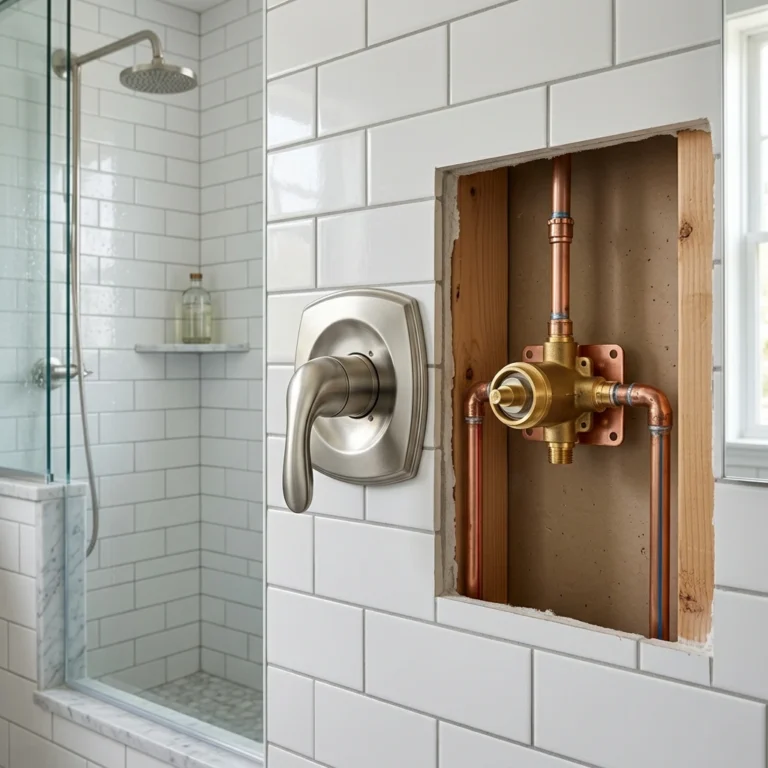
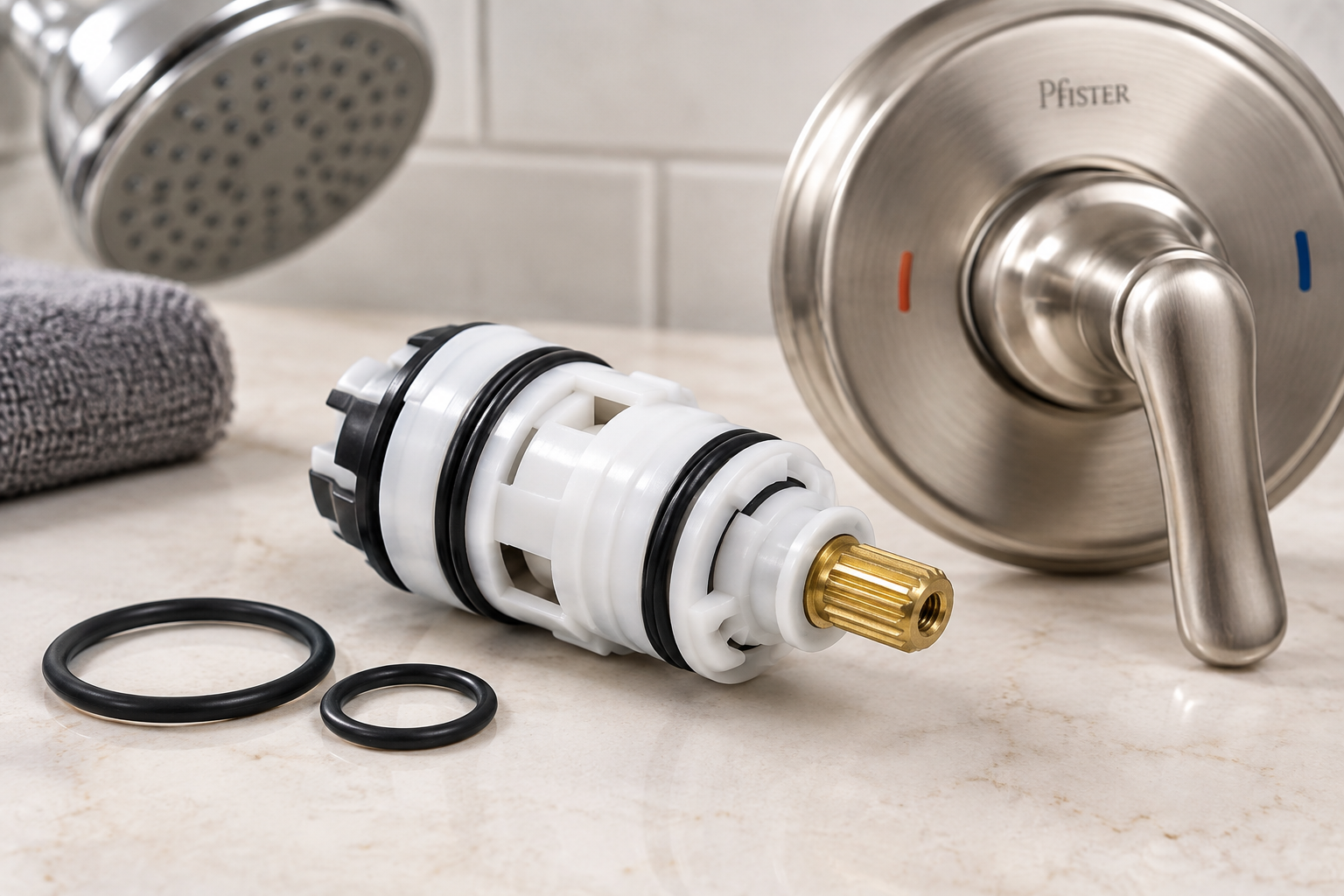
A Water Pfister shower cartridge is an internal component that is positioned inside the shower valve and is used to control how much water is flowing and how hot the water is when you move the shower handle. Located behind the handle and trim, it’s hidden for the most part but it’s really what determines the temperature, strength and pressure of your water flow.
How a Shower Cartridge Works
When you push or turn your shower handle, the push or turn is transferred directly to the shower valve cartridge in the shower valve body. Inside the cartridge are mechanisms that either open or close the hot or cold water lines, depending on the position of the handle, or blend the hot and cold water.
Common Signs of a Faulty Shower Cartridge
There are a few indicators that usually indicate a problem with the cartridge:
- When the shower head does not stop dripping or leaking when the handle is completely removed.
- Water that varies temperature, for example by abrupt fluctuations from hot to cold.
- Having problems turning the handle, or handle that feels loose or stuck
- Low water pressure without a cause relating to other plumbing problems.
- Drips around the handle (not from the showerhead)
When you have a combination of these symptoms, the probability is that the cartridge is causing the problem — but not always!
When Should You Replace It?
Not all problems demand a whole cartridge change out. Sometimes, minor mineral deposits can be removed and the performance will temporarily improve. If you’re having ongoing leakage issues, a handle that no longer allows you to control temperature effectively, or you notice that the insides are showing signs of wear, you’ll likely want to replace the unit.
How to Choose the Right Pfister Shower Cartridge
Cartridges are not interchangeable due to multiple series produced by Pfister. Be sure to determine the valve model of your shower before buying a replacement, as this information could be found on the valve body itself, on the original packaging, or in the original installation instructions.
Use this as a reference to check with the official Pfister resources or customer support to ensure you’re choosing a cartridge that’s truly compatible with your system. The guesswork or similar looking parts may result in installation problems or ongoing leaks.
Basic Cartridge Replacement Steps
The basic procedure for replacing a valve may be similar, but the steps will vary depending on the type of valve you are replacing; the basic procedure would be:
- Always turn off water thoroughly before undertaking any project. Important safety measures to prevent unwanted water flow or flooding.
- Take off the shower knob (found behind the cap or trim usually with a screw).
- Take off the trim plate covering the valve body to access the cartridge.
- Disengage the retaining clip or nut that secures the cartridge to the scanning mechanism, remembering the position of the cartridge.
- Carefully take out the old cartridge, remembering its orientation.
- Replace the cartridge with the new one that is verified to be compatible (identical orientation).
- Reinstall the trim, plate and handle, and gradually bring the water back on, then test for leaks.
When in doubt, or if your valve doesn’t really resemble general instructions, it is better to pause and check the official documentation and/or a professional.
Common Mistakes to Avoid
- Failing to turn off the water, or to risk water damage or unexpected spraying.
- All Pfister cartridges are assumed to be interchangeable and can lead to a poor fit.
- Attempt to insert a cartridge, possibly harming the valve body.
- Failure to keep small components such as clips or screws during disassembling.
- Failure to completely check for leaks after re-assembling the unit.
Maintenance Tips for a Shower Cartridge
You can avoid buildup from getting stuck in one place by using the shower handle regularly through its full range of motion.
A showerhead and showerhead valve cleaning can help minimize mineral buildup in hard water regions that can impact the performance of the showerhead cartridges. Keeping the small leaks under control at the beginning will also increase the life of the cartridge.
Common Cartridge Problems at a Glance
| Symptom | Possible Cause | Recommended Action |
| Dripping when off | Worn cartridge seals | Inspect and likely replace cartridge |
| Inconsistent temperature | Damaged internal cartridge components | Replace cartridge with verified compatible part |
| Handle hard to turn | Mineral buildup or internal wear | Clean if minor; replace if persistent |
| Reduced water pressure | Cartridge blockage or wear | Inspect cartridge and clean or replace |
| Leaking around handle | Faulty cartridge seal | Replace cartridge; check trim seal too |
Conclusion
The Pfister Shower Cartridge is more important to showering than you might think, and it works unobtrusively each time you turn the handle, regulating both the temperature and the flow of water. Once leaks, temperature changes, or handle problems begin to occur, it can be a time saver and prevent more serious plumbing problems to determine if it is a cartridge cleaning or a full replacement.
FAQs
Can I use any type of Pfister shower cartridge?
No, the cartridge is not interchangeable between the different models of valves; it is necessary to check the correct part before buying.
What is the first indication that a shower cartridge is going bad?
Common early indications are from dripping water or a lack of temperature management.
Does one have to switch off the water before changing the cartridge?
Yes, always turn off water completely before doing any work with cartridges.
Is a shower cartridge cleanable or replaceable?
If there is a small amount of mineral deposit, a cleaning can sometimes be an effective temporary solution, but most often the deposit will have to be replaced.
Do I need to get a plumber to replace the cartridges?
If the process is not clear, then the water cannot be safely turned off and if the problem remains after replacing, a qualified plumber should be contacted.