
Delta Shower Valve: A Complete Guide to Choosing the Right Valve
A shower valve is one of the most important components behind your bathroom wall. Although you may not see it after installation, the valve controls how water enters the shower and plays an important role in temperature and flow management. Choosing the right Delta shower valve can make a significant difference when installing a new shower or remodeling an existing bathroom.
Delta offers several valve technologies and configurations, including its MultiChoice Universal Valve platform. These options are designed to support different shower controls and trim styles while providing flexibility during bathroom renovations. Understanding how shower valves work can help you choose the right setup before installation begins.
What Is a Delta Shower Valve?
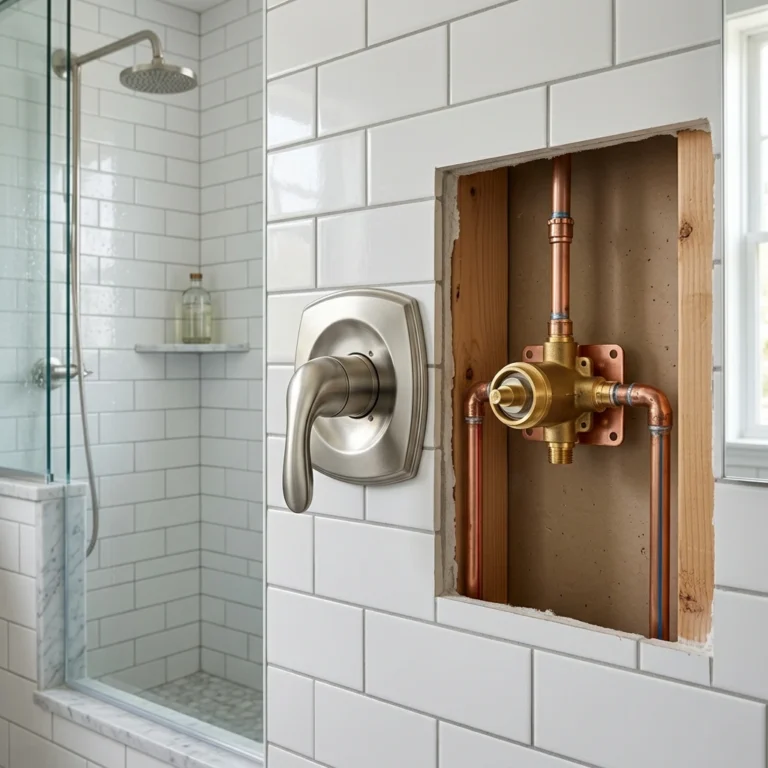
A Delta shower valve is the plumbing component installed behind the finished shower wall. It receives hot and cold water and regulates how that water is mixed and delivered to the shower.
The visible handle or trim is connected to the valve, but the two components serve different purposes. The valve is installed inside the wall, while the trim provides the visible controls and finishing details.
This distinction is especially important when replacing an existing shower faucet. A new trim kit may look compatible with your bathroom, but it may not work with the valve already installed. Delta’s MultiChoice Universal Valve is designed to provide greater flexibility by allowing compatible trim options to be changed without replacing the rough-in valve.
How Does a Delta Shower Valve Work?
A shower valve manages the flow of hot and cold water before it reaches the showerhead or tub spout. Depending on the valve and cartridge configuration, it can regulate water temperature, water volume, or both.
Pressure-balanced valves work by balancing hot and cold water pressure. Delta explains that its Monitor pressure-balanced technology is designed to help maintain a consistent temperature by balancing the pressure of the incoming hot and cold water.
Thermostatic valves work differently. Instead of relying only on pressure balancing, they monitor water temperature and adjust the water mixture to maintain a more precise temperature. Delta’s TempAssure thermostatic technology provides separate temperature and volume control on compatible systems.
Types of Delta Shower Valves
Pressure-Balanced Valves
Pressure-balanced valves are a popular choice for everyday showers. Their primary purpose is to help maintain a more consistent water temperature when pressure changes occur in the plumbing system.
For example, if someone turns on another water fixture while you are showering, the pressure of the hot or cold water supply may change. A pressure-balanced valve is designed to respond to these changes and help prevent sudden temperature fluctuations.
Delta offers pressure-balanced configurations across its Monitor shower series.
This type of valve can be a practical choice for homeowners looking for reliable temperature control without a more advanced thermostatic setup.
Thermostatic Valves
A thermostatic Delta shower valve provides more precise temperature management. The system measures the water temperature and adjusts the hot and cold water mixture to help maintain the selected temperature.
Delta’s TempAssure 17T technology provides separate controls for temperature and volume, allowing users to set the desired temperature while independently adjusting water flow.
Thermostatic valves can be especially useful for homeowners who want greater control over their shower experience or are creating a more advanced shower system.
MultiChoice Universal Valve
The Delta MultiChoice Universal Valve is designed to provide flexibility during installation and future bathroom upgrades. Delta states that the valve can accept compatible single, dual, or dual thermostatic cartridges depending on the configuration.
This means homeowners can install the rough-in valve before deciding on the final trim style or certain shower functions. Delta explains that the MultiChoice system allows compatible trim styles and functions to be changed without altering the plumbing behind the wall.
For a remodeling project, this flexibility can be particularly useful because the visible design can be updated later without necessarily replacing the rough-in valve.
Why Valve Compatibility Matters
One of the biggest mistakes homeowners can make is purchasing a shower trim kit without checking the existing valve. Shower valves and trim kits are not universally interchangeable.
If you already have a Delta valve installed, identify its series and compatibility before buying a replacement trim. Delta’s official MultiChoice information states that compatible 13, 14, 17, and 17T series trim kits can be used with the appropriate MultiChoice Universal rough-in valve.
This is one reason it is useful to understand the difference between a valve and a trim kit. The valve is the plumbing foundation, while the trim is the visible control system installed over it.
If you’re researching the visible fixture as well, you can read our guide to the Delta shower faucet for more information about choosing the right shower control.
How to Choose the Right Delta Shower Valve
Start by considering whether you are replacing an existing shower valve or installing a completely new system.
For a new bathroom, you have more flexibility because the valve can be selected before the wall is finished. You can choose between a pressure-balanced or thermostatic configuration based on your preferred level of temperature control.
For a replacement project, compatibility should come first. Identify the existing valve and determine which Delta trim and cartridge options are designed to work with it.
You should also consider how many shower functions you want. A basic shower may only require one showerhead, while a larger setup could include a handheld shower, multiple showerheads, or additional outlets.
If you are planning a complete upgrade, our guide to Delta shower systems can help you explore broader shower configurations.
Installation Considerations
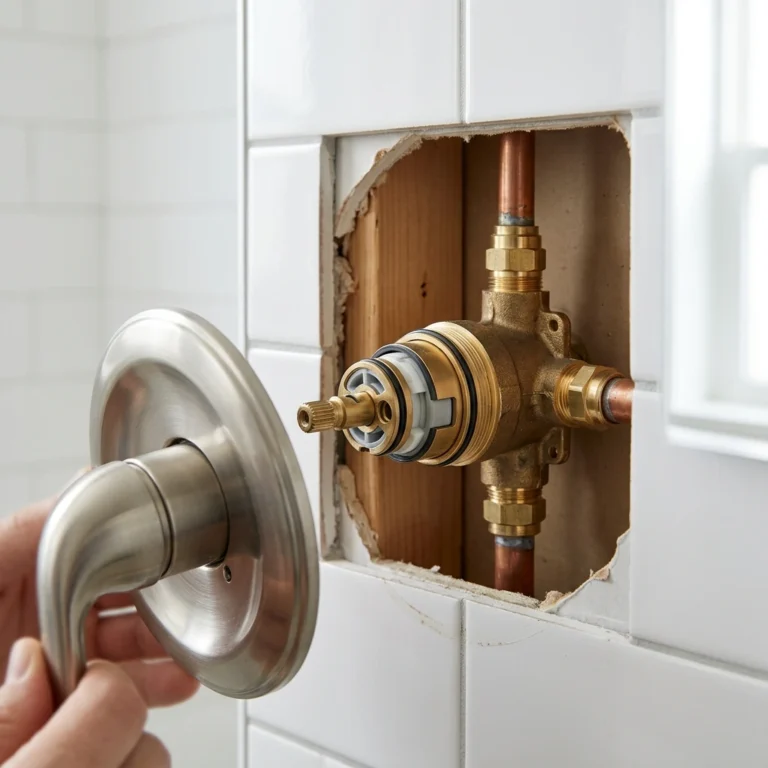
Installing a shower valve is different from replacing a visible shower trim. The valve is positioned inside the wall and must be connected correctly to the home’s water supply.
The installation also requires correct positioning and proper testing before the wall is closed. Delta’s MultiChoice Universal Valve documentation includes installation information and technical specifications for the rough-in valve.
Because an incorrectly installed valve can lead to leaks or temperature-control problems, professional plumbing assistance may be appropriate if you are not experienced with in-wall plumbing.
For new construction or major remodeling, planning the valve location before the finished wall is installed is especially important.
Delta Shower Valve Maintenance
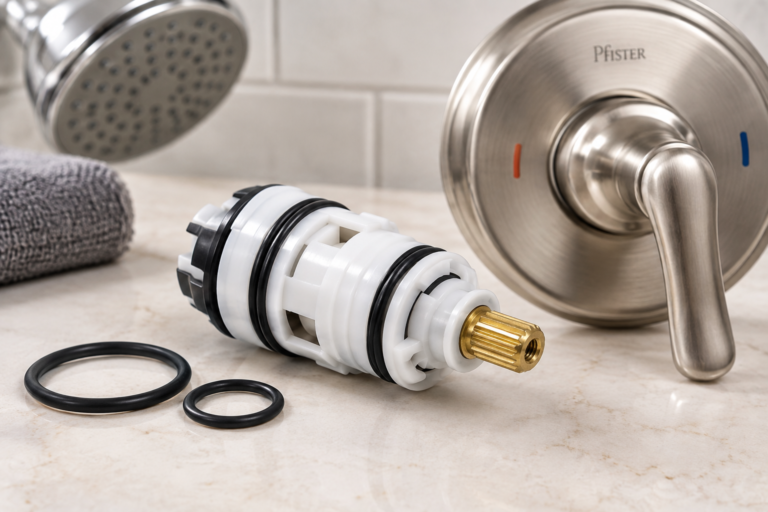
A shower valve generally requires less visible maintenance than a faucet, but problems can develop over time. Mineral buildup, worn cartridges, or internal component issues can affect temperature control and water flow.
Signs of a potential valve or cartridge problem may include inconsistent water temperature, a dripping showerhead when the handle is turned off, difficulty moving the handle, or changes in water flow.
In some cases, the valve body itself may still be in good condition and only the cartridge needs replacement. Before replacing the entire valve, identify the source of the problem and check whether a compatible replacement cartridge is available.
Regularly cleaning the visible trim and avoiding harsh chemicals can also help protect the finish and appearance of your shower controls.
FAQs
What is a Delta shower valve?
A Delta shower valve is the in-wall plumbing component that regulates hot and cold water going to the shower. Depending on the model, it can provide pressure-balanced or thermostatic temperature control.
What is the Delta MultiChoice Universal Valve?
The MultiChoice Universal Valve is a Delta rough-in valve designed to support compatible shower trim and cartridge configurations. It allows homeowners more flexibility when selecting or changing compatible shower styles.
Is a Delta pressure-balanced valve better than a thermostatic valve?
Neither is universally better. Pressure-balanced valves are designed to help maintain temperature when water pressure changes, while thermostatic valves provide more precise temperature control by monitoring water temperature.
Can I replace a Delta shower valve without opening the wall?
It depends on the problem and the existing installation. If the valve body is damaged or needs to be replaced, accessing the plumbing inside the wall may be necessary. A cartridge or trim replacement may require less extensive work.
Are Delta shower valves compatible with all Delta trim kits?
No. Compatibility depends on the valve and trim series. Delta provides specific compatibility information for its MultiChoice Universal Valve and compatible trim series.
Should I install a Delta shower valve during a bathroom remodel?
If you are opening the wall or building a new shower, it can be a good opportunity to install a valve that matches your preferred shower functions and provides flexibility for future compatible upgrades.
One Comment